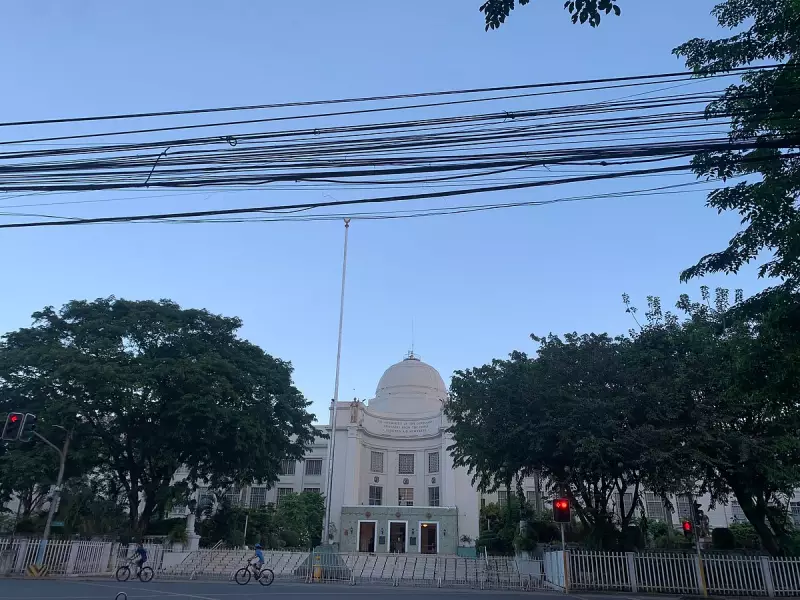
The Commission on Audit (COA) has called out the Cebu Provincial Government for P6.8 million in irregular foreign travel expenses incurred during official trips in 2024. The audit body discovered numerous lapses, including reimbursements for a non-participant's baggage fees and missing critical documentation.
Missing Documents and Questionable Expenses
According to the COA report, provincial officials, executives, and employees traveled to Russia, Mongolia, Japan, and China between May and October 2024. The purpose was to strengthen sisterhood ties following international tourism and economic forums. However, auditors found a severe lack of supporting documents.
Key missing records included travel itineraries, certificates of travel completion, proof of attendance, quotations from three travel agencies, boarding passes, and detailed registration fees. These documents are essential for validating expenses against the Daily Subsistence Allowance (DSA) for hotels, meals, and incidental costs.

Violations of Procurement and Financial Rules
COA scrutinized the provincial government's practice of directly paying travel agencies instead of providing cash advances to participants. This method bypassed established systems for ensuring accountability and proper validation of disbursements.
The advanced payments for flights, accommodations, and other fees violated procurement rules under the Government Procurement Reform Act (Republic Act No. 9184). This law permits direct purchases only for airline tickets. Furthermore, the audit noted the questionable inclusion of a job order personnel in the travel without proper justification.
A significant finding was the reimbursement of P78,618.96 for excess baggage fees incurred by an individual who accompanied the trip but was not an official participant. COA stated these lapses contravened Presidential Executive Order No. 77, which guides the spending of public funds for foreign trips, and other public financial management regulations.
Recommendations and Provincial Response
To address the issues, COA recommended that the Capitol submit all missing documents. It also demanded explanations for the direct payments to agencies, the inclusion of the job order personnel, and the baggage fee reimbursement.
The provincial government has responded, stating it has already submitted the required documents and explanations. These submissions are now undergoing rigorous review by COA auditors. The outcome of this review will determine if the discrepancies can be settled or if further action is required.