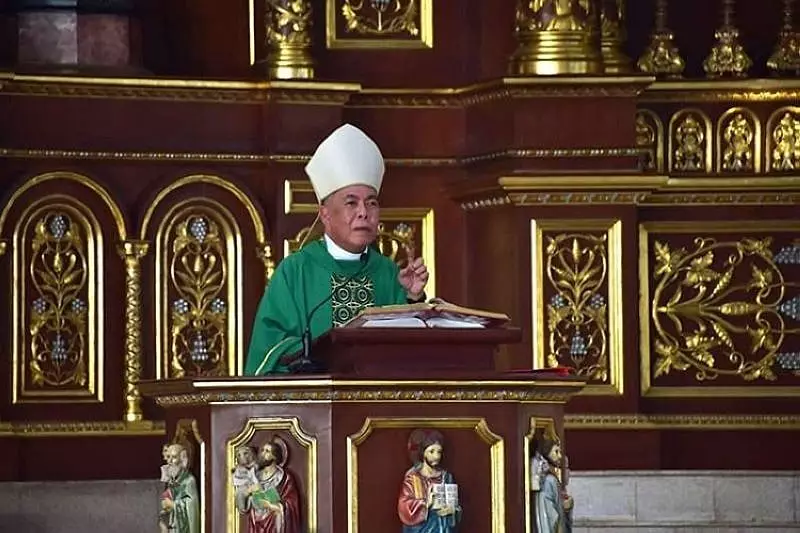
The Archdiocese of Davao has issued a powerful call to the nation, urging the public to engage in both prayer and decisive action. This appeal comes as the Philippines grapples with what it describes as a profound national crisis fueled by serious allegations of corruption and moral failings in leadership.
A Moral and Spiritual Crisis
In a significant pastoral letter, Archbishop Romulo G. Valles of Davao stated that the country is confronting a "serious crisis" that extends beyond politics into the moral and spiritual fabric of society. He outlined a series of troubling issues that have shaken public trust, framing them as urgent concerns for every Filipino citizen.
The Archbishop specifically pointed to several key scandals:

- Grave corruption linked to flood control projects and the existence of ghost projects.
- The controversial insertion of ₱100 billion in anomalous items within the 2025 General Appropriations Act (GAA).
- Allegations concerning President Ferdinand "Bongbong" Marcos Jr.'s use of illegal drugs and his subsequent refusal to undergo a hair follicle test.
- A perceived lack of genuine, impartial, and non-selective investigations into these matters.
Valles emphasized that the Catholic faithful are called to transcend political partisanship. "We are called not to take sides for any political party or personality, but to stand for truth, justice, and the common good," he wrote in the letter, which was published by the Davao Catholic Herald on November 29, 2025. He stressed that conscience, guided by Gospel teachings, must direct both prayer and action.
Call for a Day of Prayer and Action
Declaring this a critical moment in history, Archbishop Valles called for unity among the faithful. He emphasized the vital importance of communal prayer, reflection, and moral courage. To channel this collective spirit, he designated November 30, 2025, as a day of prayer and action.
He encouraged every parish to facilitate opportunities for:
- Communal prayer and supplication.
- Continued study and discussion of the pressing national issues.
- Moral discernment among the faithful.
- Concrete steps toward pursuing justice and accountability.
"May the Holy Spirit guide our consciences, strengthen our resolve, and enlighten our leaders," Valles prayed, expressing hope for a national renewal founded on justice and progress. He firmly stated that the moral voice of the Church "must not be silent" in the face of such challenges.
Five Critical Questions for the Public
Archbishop Valles posed five major questions for the public to confront "in the light of faith." These questions directly challenge the current state of governance and integrity.
First, he questioned the fitness for office of a national leader facing serious accusations of illegal drug use, asking whether such allegations undermine the capacity to lead by example and govern effectively.
Second, he scrutinized the ₱100 billion insertions in the 2025 budget, asking if signing such a document demonstrates a lack of moral ascendancy and responsible stewardship of public funds.
Third, regarding the flood control scandal, Valles demanded a thorough examination that goes beyond low-level contractors. He insisted investigations must reach the high-ranking officials who planned, approved, and implemented these anomalous projects.
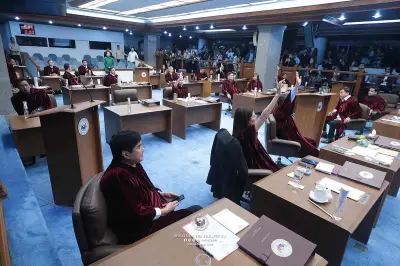
Fourth, he cast doubt on the trustworthiness of ongoing probes, whether by the President's own Independent Commission for Infrastructure (ICI) or the Senate Blue Ribbon Committee, questioning their independence and potential for a non-partisan outcome.
Fifth, Valles addressed the growing political turmoil. He acknowledged questions about the President remaining in office but warned against extra-constitutional shortcuts. He stressed that true justice requires integrity and due process, not unlawful actions. He also questioned the basis for fears surrounding a potential succession by Vice President Sara Duterte.

The Archbishop's message is a clarion call for vigilance, prayer, and a steadfast commitment to ethical governance. It underscores the Church's role as a conscience for the nation during a period of intense trial and uncertainty.