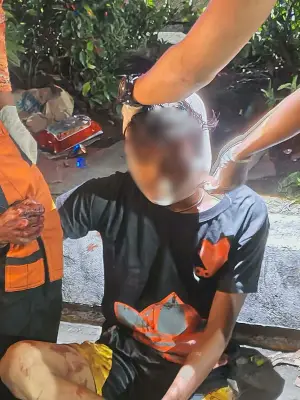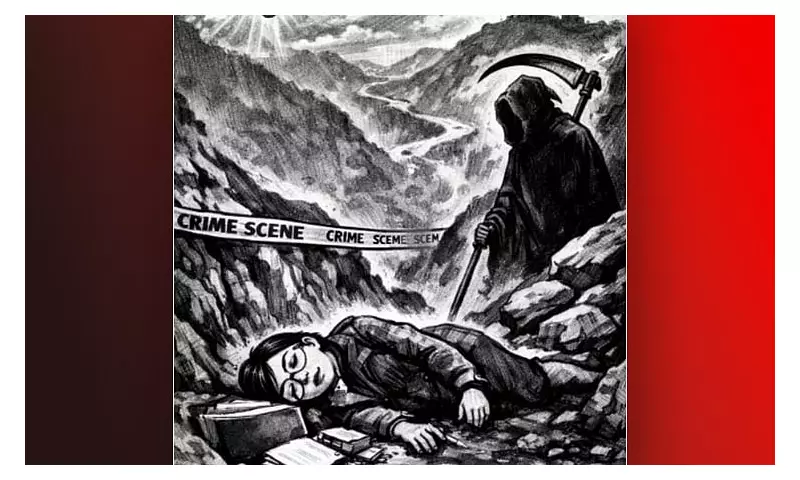
The sudden and shocking death of former Department of Public Works and Highways (DPWH) Undersecretary Maria Catalina Cabral has sent ripples through the public sphere, intertwining grief with intense speculation. The incident occurred on Thursday, December 18, 2025, along Kennon Road in Baguio City. While many mourn her passing, the circumstances have inevitably led some netizens to connect her disappearance and death to the ongoing investigation she was facing regarding alleged ghost projects in flood control initiatives.
A Call for Due Process Over Speculation
In the wake of this tragedy, a critical examination of the justice system and public conscience emerges. In a democratic society, guilt is not measured by rumors, social media narratives, or unsubstantiated accusations. The principle of "presumption of innocence" remains a foundational legal tenet that must be upheld. Allegations linking Cabral to flood control anomalies, while serious, are not sufficient grounds to hastily conclude that her death resulted from fear, evasion, or guilt. Such assumptions, without concrete proof, undermine the very bedrock of fair legal proceedings.
The Philippine National Police (PNP) has called for a comprehensive look at all possible angles—including accident, intentional act, foul play, or suicide. This approach demonstrates that the pursuit of justice should not be swayed by public emotion or pressure. A rushed process risks compromising the integrity of the entire investigation. True justice is served through proper investigation, forensic evidence, and a fair legal process, not through swift public judgment.

Separating Individual Fate from Systemic Accountability
It is crucial to distinguish between the fate of an individual and the enduring obligations of the state. The death of a person involved in a probe does not extinguish the government's duty to uncover the truth and seek answers regarding the alleged anomalies in flood control projects. Accountability is a collective endeavor, not an act of personal vengeance. If wrongdoing occurred, it must be proven and addressed by holding the living individuals involved responsible, according to the law.
The ultimate measure of justice is not found in who we quickly blame, but in how faithfully and meticulously the process is followed. In the face of death, the public is called to exercise restraint in judgment, respect for the truth, and trust that any culpability—if it exists—will be revealed not through noise, but through the sober mechanisms of the law.
Justice, Like Truth, Cannot Be Forced
The current situation underscores a vital lesson: justice, much like truth, cannot be forced. It emerges in its own time when the process is correct and unwavering. The call is for patience and faith in a system that prioritizes evidence over emotion, ensuring that the final outcome, whatever it may be, stands on a firm and unassailable foundation.