Flood Control Project Trial: Defense Argues P96.5-M Project Not a 'Ghost'
The trial for a controversial P96.5-million flood control project commenced at the Regional Trial Court Branch 27 in Lapu-Lapu City on Tuesday, April 7, 2026, with defense lawyers challenging the prosecution's characterization of the project as a ghost project. The defense argued that the structure physically exists, though it may have been built partly outside its intended location, setting the stage for a contentious legal battle.
Prosecution Presents Witnesses on Project Discrepancies
Presided over by Judge Nelson Leyco at the Lapu-Lapu City Hall of Justice, the trial saw the Office of the Ombudsman present its first witnesses, led by Jess Vincent Dela Peña, officer-in-charge for preliminary investigation at the Office of the Ombudsman-Visayas. The prosecution panel called three witnesses specializing in design, construction, and project quality to testify about alleged irregularities in the flood control project.
During cross-examination, a prosecution witness from the DPWH Central Office Quality Assurance Unit testified that an infrastructure project was present during an inspection on October 25, 2025, but was incomplete. The witness highlighted significant discrepancies between the project's actual coordinates and those indicated in official plans and documents, noting that portions of the riverbank project were partly completed while other sections on land were undergoing repairs during their single site visit.

Defense Counters with Physical Existence Argument
Defense counsel Joseph Randi Torregosa, representing former DPWH 11 district engineer Rodrigo Larete, strongly contested the ghost project claim, asserting that a project cannot be classified as such if it physically exists. In an interview, Torregosa emphasized, "Physically the project is there existing, although at the time of the inspection it was still ongoing. I think that's the most important fact that was established by the testimony of the witness. It's not a ghost project."
The two-kilometer flood control project, scheduled for implementation from January 13, 2022, to November 14, 2023, was reportedly completed on October 2, 2022. However, it later required repairs due to damage caused by typhoons and heavy rainfall, adding complexity to the case.
Key Issues: Alignment and Construction Details
Torregosa clarified that the prosecution's issue concerns only a portion of the structure, specifically a 400-meter discrepancy from the designated starting point. According to the defense, the prosecution alleges that part of the project was constructed along a section of the Culaman River in Jose Abad Santos, Davao Occidental, that does not fully align with the approved plans.
The prosecution witness also pointed to other discrepancies, including variations in stone sizes and splicing of rebars, which the defense argues are minor and do not substantiate the ghost project allegation. The case stems from allegations that contractor Sarah Discaya, St. Timothy Construction president Roma Rimando, and eight DPWH officials in Davao Occidental were involved in a ghost flood control project, facing charges of malversation of public funds and violation of Section 3(e) of Republic Act 3019, the Anti-Graft and Corrupt Practices Act.
Trial Proceedings and Defendant Attendance
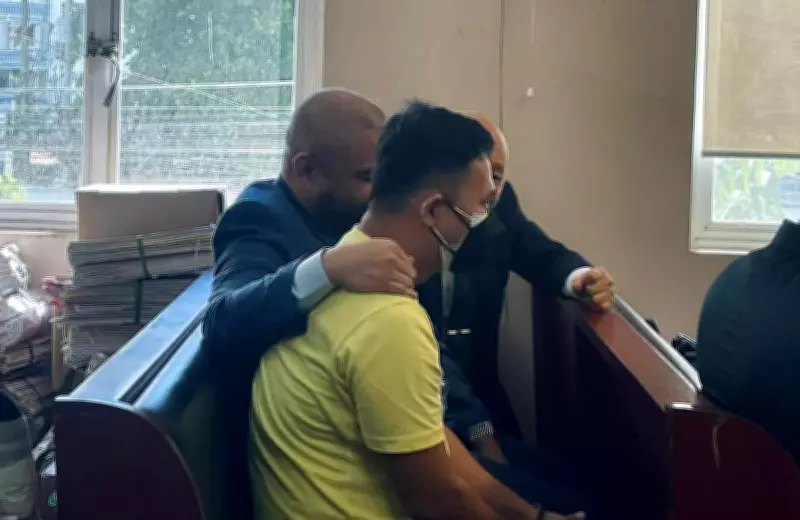
All of the accused, except for project engineer Harold John Villaver who appeared in court in person, attended the trial via video conferencing while detained at the Bureau of Jail Management and Penology in Barangay Mactan, Lapu-Lapu City. The trial is being held at RTC Branch 27 because it was designated by the Supreme Court as a special anti-graft court for such cases, underscoring the significance of this legal proceeding in addressing corruption allegations in public infrastructure projects.