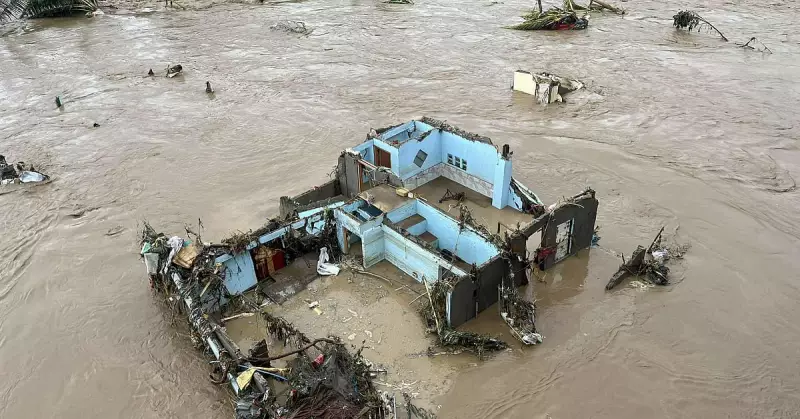
A massive corruption scandal involving flood control projects worth billions of pesos has plunged the Philippine government into a credibility crisis, with allegations now reaching the highest levels of power.
Credibility Crisis in Corruption Investigation
The flood control funds scandal faces mounting skepticism as key investigating bodies struggle with public distrust. The Independent Commission for Infrastructure (ICI), created by President Ferdinand "Bongbong" Marcos Jr., faces serious questions about its independence while investigating a scandal that may involve its creator.
Public confidence further eroded when the Department of Public Works and Highways (DPWH) began assessing its own work. Critics question how the public can accept findings from the same engineers and technicians who may have originally reviewed and certified the potentially substandard or non-existent projects.

Shocking Allegations from Principal Accused
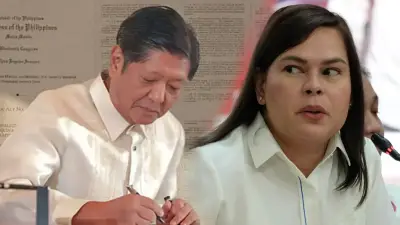
The scandal took a dramatic turn when former congressman Zaldy Co, the alleged principal implementer of the corruption scheme, identified President Marcos and former House speaker Martin Romualdez as beneficiaries of the stolen funds.
Malacañang responded by questioning the authenticity of Co's video statement, suggesting it might be artificial intelligence-generated and noting it wasn't sworn testimony. However, as the self-confessed implementer of the fraud, Co represents a logical source to verify the extensive charges raised in the investigation.
The accused legislator's claim that he didn't receive any money has been met with skepticism, but his direct linking of the President and former speaker to the scandal cannot be easily dismissed through character attacks alone.
Massive Financial Scale and Systematic Theft
The corruption scheme represents one of the largest in recent Philippine history. The Department of Finance estimates the economy lost approximately P118.5 billion (US$2 billion) due to corruption in flood control projects from 2023 to 2025.
This estimate is based on accounts that 25 percent to 70 percent of project costs were pilfered through corruption. Greenpeace Philippines provided an even higher estimate, placing the corruption take at P173 billion.
Descriptions of the heist have ranged from "huge" and "massive" to "large-scale," "behemoth" and "humongous." The theft was accomplished not through armed robbery but by perverting the legislative process through budget insertions, a technique some male legislators reportedly joked about with sexual nuance.
Investigators Under Suspicion
The investigation faces fundamental credibility issues as some senators and House members conducting the inquiry are themselves publicly accused of sharing in the fraud's proceeds. This creates the extraordinary situation of alleged perpetrators investigating their own crime.
The systematic nature of the stealing required participation of legislators in both the Senate and House of Representatives, accomplished through careful plotting and manipulation in a well-planned conspiracy.
Hearings have so far made a show of good intentions but have consistently faltered when approaching what investigators call "sacred and sensitive" areas of the inquiry. Investigators who appear to be protecting or covering up for perpetrators cannot be expected to help nail the culprits.
The scandal represents not just a massive financial loss but a fundamental crisis of trust in Philippine governance institutions, with the public left wondering where the truth will ultimately emerge.