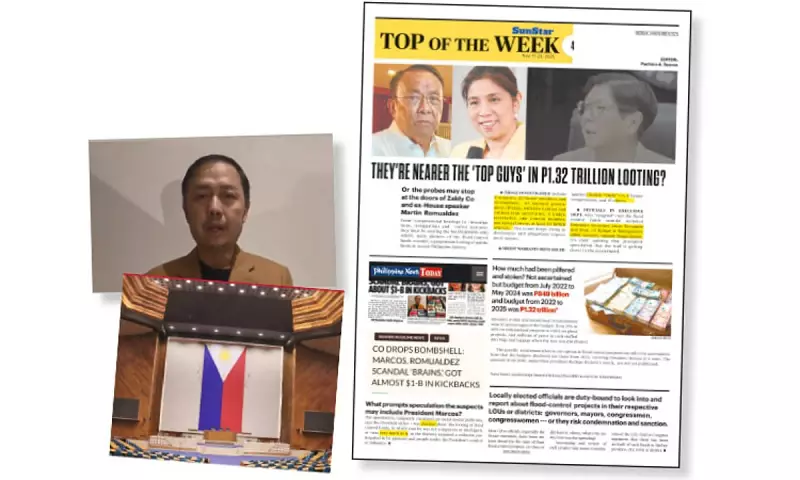
The massive scandal involving billions in flood control funds has laid bare a deeply entrenched system of corruption, raising urgent questions about accountability and systemic reform in the Philippines. Despite public anger and presidential promises, the pursuit of justice appears to be stalling, with key investigations slowing and the mechanisms for oversight failing.
A System Rotten to the Core
At the heart of the controversy is not just the identification and prosecution of individual perpetrators, but the monumental task of recovering stolen wealth and dismantling the machinery that enabled it. The scandal points to collusion across the legislative and executive branches, involving lawmakers, Department of Public Works and Highways (DPWH) officials, and their intermediaries. Gatekeepers in the Department of Budget and Management (DBM), the Commission on Audit (COA), and even the Office of the President are implicated in a network that allowed graft to flourish.
The so-called "pork barrel" system, which was supposedly abolished, has refused to die. Critics argue it has simply morphed into new forms like "allocables," "un-programmed funds," and budget "insertions." This evolution represents a staggering growth in greed, moving from traditional pork barrel to more opaque and potentially larger-scale mechanisms. A critical question remains: is the 2026 General Appropriations Act truly free of this "new pork"?

Stalled Justice and Fading Outrage
Public reaction has been a mix of fury and apathy. Street protests and public shaming of officials as "kawatan" (thieves) and "corrupt" have yielded little tangible result. This raises a dilemma: Has the public grown weary of complaining, or is disillusionment with all political alternatives causing inaction? The current administration faces its own allegations, which may contribute to a sense of hopelessness among citizens.
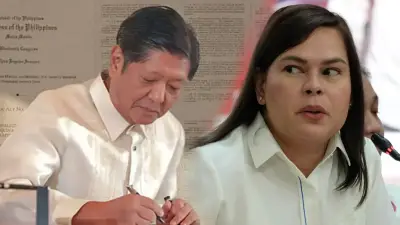
Promises of accountability have largely gone unfulfilled, a bad omen for the scandal's resolution. President Ferdinand Marcos Jr. vowed on December 15, 2025, to catch and jail the "big fish," but none have been apprehended to date. The investigation into the so-called "Cebu 11" batch of lawmakers and their infrastructure projects has not progressed meaningfully. Congressional hearings have lost momentum or stopped altogether.
Furthermore, the Independent Commission on Infrastructures (ICI), tasked with investigating the mess, has performed poorly. After a series of resignations, it has been reduced to a largely ineffective, one-person body, crippling its ability to deliver justice.
Lawmakers' Lavish Funds and the Narrative of Power
Adding fuel to the fire is the revelation that lawmakers implicated in the scandal receive significant funds beyond their official salaries. Controversy erupted over Christmas bonuses of 2 million pesos each, compounded by allegations they receive a similar amount every session break. These funds require only a certification that they were spent for a public purpose, a system ripe for abuse. The public is demanding full transparency on the exact amounts allocated to each congressperson and senator.
The central, unresolved question is this: How can the masterminds and gang leaders of this scandal ever be caught and held accountable if they continue to wield significant political power and control the very narrative of the investigation? Their continued influence allows them to steer the scandal's story, potentially shielding themselves from consequences. Until this dynamic is broken, the cycle of corruption and unfulfilled promises of reform is likely to continue, leaving the Filipino public to bear the cost of stolen development and broken trust.