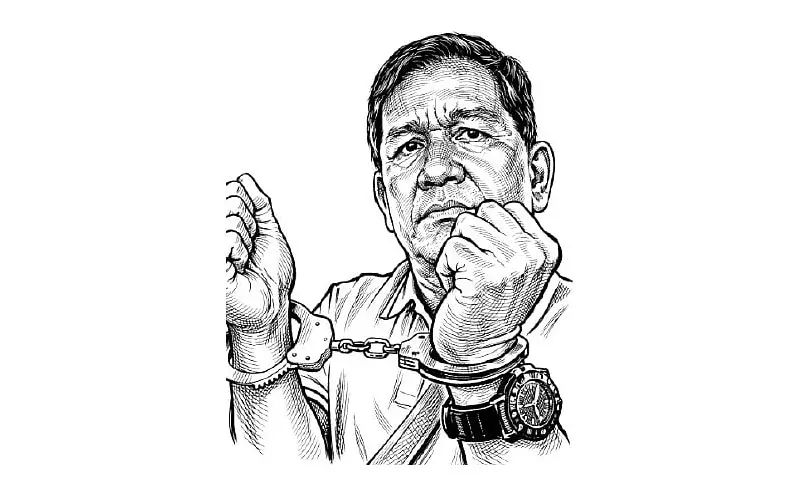
The recent arrest of a retired military officer has ignited a fierce public debate about fairness and the application of justice in the Philippines. On January 5, 2026, authorities took into custody Retired Philippine Air Force Major General Romeo Poquiz on charges of inciting to sedition. This swift action, stemming from his public criticisms of corruption, stands in stark contrast to the often prolonged and inconclusive legal processes involving high-profile figures accused of graft.
A Tale of Two Speeds in Justice
In theory, the legal process is clear and uniform for all: investigation, prosecution, and trial. However, the reality observed by many citizens paints a different picture. The case of General Poquiz demonstrates that the law can move with remarkable speed when there is a will to enforce it. A warrant was issued, and an arrest was made promptly following his vocal anti-corruption stance.
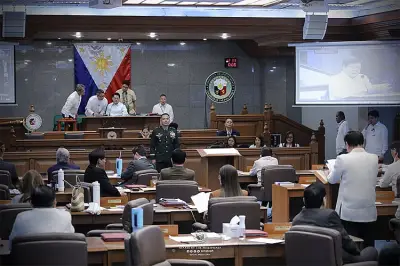
Yet, this rapid action highlights a troubling disparity. Concurrently, numerous congressmen and high-ranking officials, who have been the subject of detailed reports alleging the misuse of billions in public funds, often remain free while their cases linger "under review." This visible difference in treatment has led Filipinos to question whether power and position act as a shield against the full force of the law.

The Shifting Standard of Evidence
A critical point of contention lies in the evidentiary standards applied. For ordinary citizens, circumstantial evidence is frequently deemed sufficient to file charges and secure an arrest. The bar appears to be set much lower. However, when the accused individuals are influential or well-connected, the standard for what constitutes sufficient evidence seems to rise dramatically, creating a legal hurdle that is far more difficult to overcome.
This duality sends a dangerous message: speaking out against corruption is a risky endeavor that can lead to immediate legal consequences, while those actually engaged in corrupt practices may operate with a sense of impunity, provided they possess enough influence. The public is left to wonder where true justice lies in this equation.
The Public Demand for Transparent and Equal Enforcement
The arrest has resonated deeply on social media, where netizens are loudly expressing their frustration over what they perceive as a two-tiered justice system. The core public demand is no longer just for action against corruption, but for clear, fair, and visible progress in prosecuting cases with strong evidence—regardless of the suspect's identity or status.
True adherence to the rule of law is demonstrated when power recognizes its limits and when courts apply the same principles to every person accused of a crime. Until this is consistently seen in practice, the haunting question will persist in the minds of Filipinos: Is the law truly impartial, or is it only impartial when applied to those without power to challenge it?
The case of Retired Major General Romeo Poquiz is more than a legal proceeding; it has become a societal litmus test for equality before the law in the Philippines.