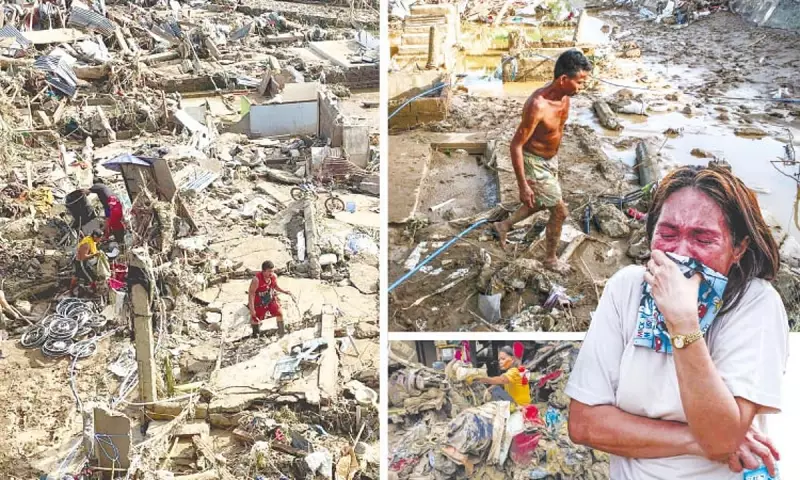
Flood Crisis Exposes Failed Accountability System
The recent devastating floods have revealed critical failures in how local and national officials respond to crises and manage public funds. Communities across affected regions are demanding answers about who should be held responsible for the destruction and whether punishment will follow for those who failed in their duties.
Published on November 9, 2025, the growing public outrage focuses on multiple parties involved in flood control projects, including government regulators, local officials, and those who handled flood-control funds. The central question remains: who will be held accountable for the apparent failures?
The Blame Game: Who's Responsible?
The list of suspected parties includes governors, mayors, and congress members whose terms included flood control funds spent in their local government units or districts. Contractors who worked on projects that turned out to be substandard or completely ghost projects also face scrutiny.

Private developers whose enterprises either lacked adequate flood control measures or contributed to the flooding are similarly under examination. The fundamental issue remains whether these parties will face consequences for their actions or inactions.
Some officials have attempted to use force majeure as a defense, arguing that no one can be held responsible for deaths and injuries caused by natural forces. However, this legal argument fails to address whether human negligence worsened the disaster's impact.
The Official Response: Deflection and Silence
A concerning pattern has emerged among officials when confronted about their roles. The new governor in one affected area claims she cannot be blamed for flood funds released before her term began, instead pointing fingers at her predecessor.
The previous governor, in turn, denies responsibility by stating that no money passed through provincial hands since the Department of Public Works and Highways managed the projects directly. This not me, not my administration defense has become increasingly common.
Perhaps most alarming is the silence from most congress members whose districts served as spending sites for what appear to be ghost or substandard projects. Only one representative has taken action by offering a cash reward for information about problematic projects.
The Path Forward: Rehabilitation and Reform
Immediate priorities include rehabilitating flood victims and restoring damaged infrastructure and facilities. However, long-term solutions require making communities safer against future floods and other calamities while ensuring less corruption and better use of public funds.
Mayors, governors, and House lawmakers face increasing pressure to publicly account to their constituents. The expectation is clear: these officials must demonstrate whether their LGU received flood control funds or spent its own money on such projects.
If funds were allocated, officials must prove they properly oversaw the projects as chief executives or as legislators who secured the funding. Claiming ignorance or non-involvement represents what critics call a lame cop-out from their fundamental responsibilities.
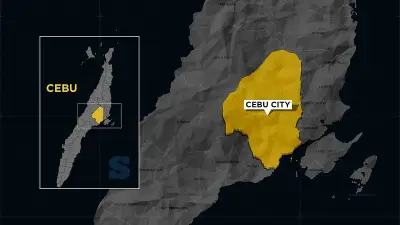
The challenge remains that Cebuanos, like other Filipinos, tend to be forgiving and forgetful, often failing to maintain outrage long enough to ensure punishment for offenders and implementation of real reforms. Previous uproars over fund scandals, including the Priority Development Funds scandal of 2013, have clearly failed to curb the systemic problems with public fund management.