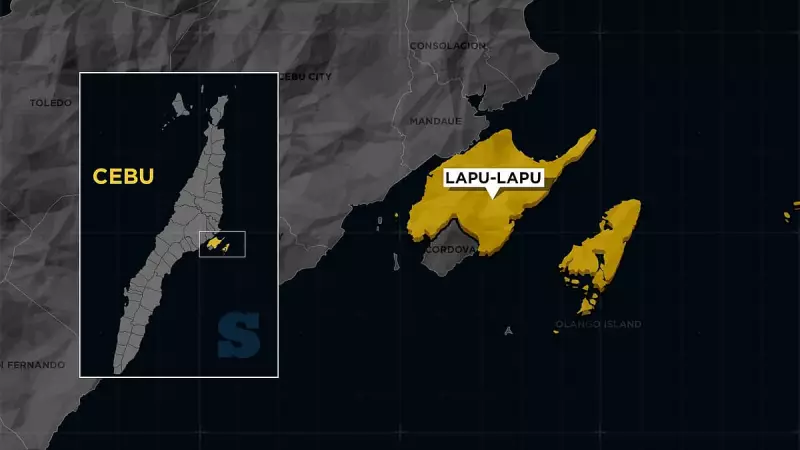
The ongoing demolition of homes at Mactan-Benito Ebuen Airbase in Lapu-Lapu City, Cebu has sparked renewed tension between military authority and private land rights, raising critical questions about presidential power versus established family claims.
Urgent Appeal to Halt Demolition
On November 14, 2025, Lapu-Lapu City officials made an urgent move to stop the planned demolition. Representative Junard "Ahong" Chan and Mayor Ma. Cynthia "Cindi" King Chan submitted a formal appeal to the Municipal Trial Court in Cities, requesting a deferral of the demolition order scheduled for November 19.
The officials cited humanitarian and equitable reasons for their request, noting that the demolition process has been ongoing since September 25, 2024. Approximately 40 houses have already been destroyed, displacing families of retired air force personnel who had lived in the area for decades.

Legal arguments center on whether the writ of execution, issued over five years ago, has become "dormant" under the Rules of Court, potentially exceeding the legal execution period.
Roots of the Conflict
This confrontation traces back to Proclamation 784, signed by President Fidel V. Ramos in 1996. The proclamation reserved the land for military use while explicitly respecting existing private rights.
Residents and their representatives argue that the Philippine Air Force is violating this crucial provision. They allege the military is pushing for demolition not for genuine military needs, but to free up valuable land for commercial development with private entities.
Jovenal Giangan, spokesperson for the Mactan Neighborhood Association, Inc., expressed the community's frustration: "This is injustice; we are the victims, the heirs, and the demolished houses of the retired personnel."
Broader Implications
The conflict highlights several critical issues affecting communities across the Philippines. For military families, it raises questions about the social contract between the armed forces and those who served, particularly regarding land tenure security for retired personnel and their heirs.
Legally, the case challenges procedural rules around court orders and their enforcement timelines. If demolition proceeds despite pending appeals for a Temporary Restraining Order from the Court of Appeals, it could set a controversial precedent for enforcing aged court decisions.
The allegations of commercial interests driving the demolitions also spotlight potential corruption concerns regarding public land use. Residents report various forms of pressure to leave, including threats to cut off electricity, water, and benefits.
Anthony Orias, MNA vice president, further criticized Proclamation 784 as flawed and unauthenticated by the Department of Environment and Natural Resources.
What Comes Next
The immediate fate of the remaining homes hangs on two legal decisions. The Municipal Trial Court must rule on the appeal for deferral, while the Court of Appeals considers the request for a Temporary Restraining Order.
The outcome will establish an important precedent for balancing military reservation needs against the rights and welfare of private citizens, particularly the families of those who served in the armed forces.
As the November 19 demolition date approaches, affected families await a resolution that could either preserve their homes or confirm their displacement from land they've occupied for generations.