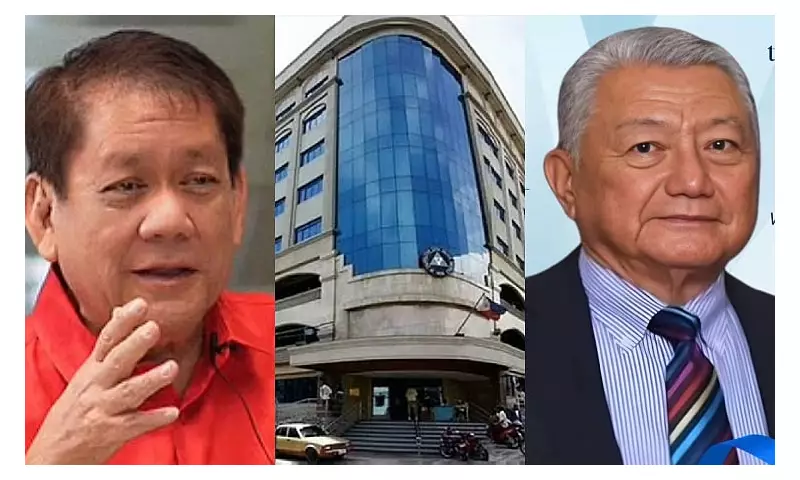
A newly appointed board member of the Metropolitan Cebu Water District (MCWD) has confirmed alarming financial problems within the utility, validating earlier warnings from Cebu City Vice Mayor Tomas Osmeña about mismanagement and a lack of transparency.
Financial Hemorrhage Exposed
Ruben Almendras, appointed by Mayor Nestor Archival Sr. on December 9, 2025, to represent the civic sector, disclosed on January 12, 2026, that MCWD is "losing immensely and on negative cash flows." He revealed that the water district's revenue is less than the cost of water, resulting in no gross margin.
Almendras, a former MCWD chairman from 1993 to 2004, believes these heavy losses began at least nine years ago or earlier. He accused previous management of "massaging the financial reports" to conceal the true state of affairs, a serious allegation of a cover-up.

Contradiction and the Real Water Situation
This revelation starkly contradicts MCWD's official response in August 2025 to Vice Mayor Osmeña's "very serious situation" warning. At that time, MCWD insisted it was operating under normal conditions, with "no looming water shutdown, no financial collapse, and no basis for alarm."
While Almendras agrees there may be no immediate shutdown, he clarified that water supply is inadequate to meet demand. He criticized the strategy of contracting 17 bulk-water suppliers at costs ranging from P43 to P78 per cubic meter, instead of reducing non-revenue water and developing more local sources.
The weighted average cost of this bulk water is nearly twice the average selling price of MCWD, creating a fundamental financial flaw. Almendras has requested Mayor Archival and Vice Mayor Osmeña to personally follow up with the Local Water Utilities Administration (LWUA) to urgently rebase and increase MCWD's water rates.
Structural Flaws and the Path Forward
The appointment of Almendras ended a crippling lack of quorum on the MCWD board, which had been paralyzed by a leadership squabble between former mayor Mike Rama and former chairman Jose Daluz. However, Almendras points to a bigger systemic issue.
He has initiated meetings with department heads to implement immediate operational and financial controls and is exploring a P500 million financing package from LWUA and the Development Bank of the Philippines (DBP).
The crisis has also spotlighted the limitations of Presidential Decree No. 198, the law governing local water utilities. Designed to shield water districts from political interference, it restricts local government control. A Regional Trial Court ruling favored the mayor's authority over board appointments, but this is under appeal at the Supreme Court.
Almendras noted that LWUA can only take over a mismanaged district if it has an unpaid loan with the agency—a loophole that has allowed problems to fester. He suggests that congressional representatives from Cebu review the law to create a better system of oversight that ensures efficiency and honesty without undue political meddling.
The exposure of MCWD's true financial health raises critical questions about governance and accountability, demanding urgent and transparent solutions to secure Metro Cebu's vital water supply.