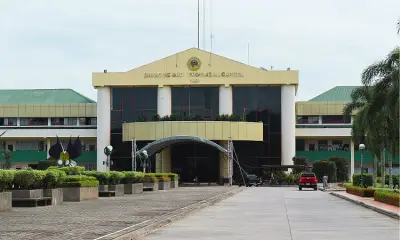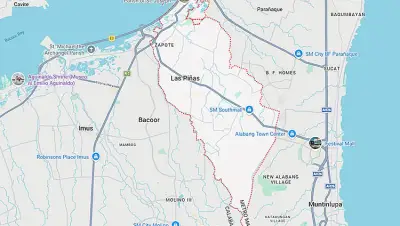
The National Bureau of Investigation (NBI) in Central Visayas has made a firm commitment: there will be no special treatment for controversial contractor Sarah Discaya and the eight Department of Public Works and Highways (DPWH) engineers now detained in connection with an alleged anomaly in a P96.5 million flood control project. This move is being seen as a critical test for the credibility of the country's justice system.
A Clear Message of Equal Treatment
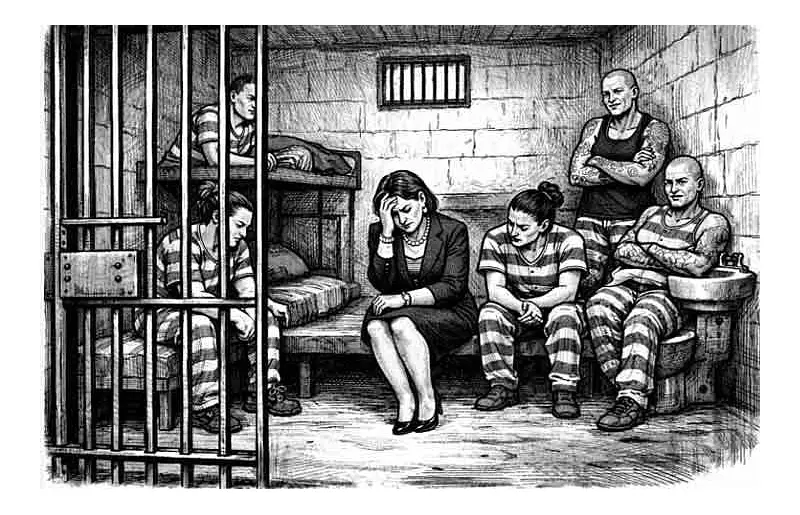
NBI Director Rennan Augustus Oliva has publicly assured that the nine accused individuals will be placed in a regular cell, receiving the same treatment as any other ordinary person deprived of liberty (PDL). This announcement directly addresses a long-standing public concern where high-profile personalities involved in criminal cases often receive different, more favorable conditions while detained.
The directive for this strict "no special treatment" policy came from Justice Secretary Fredderick Vida. Officials state that this is not merely a disciplinary measure within the justice system but a concerted effort to restore public trust. It sends a clear message that the law is blind to status and that its enforcement must be uniform.

Scrutiny Over a Major Flood Control Project
The case stems from alleged irregularities in a P96.5 million flood control project, a type of public infrastructure critically tied to community safety and welfare. The detention of Discaya and the DPWH engineers highlights the government's stated seriousness in combating corruption, especially in projects that directly impact public safety.
For many observers, the true measure of justice in this high-profile case will not be found in pronouncements but in the consistent and impartial application of the law from detention through trial. The promise of equal treatment inside the jail is viewed as the first concrete step in that process.
Restoring Faith in a System
The public's perception often hinges on seeing powerful individuals held to the same standard as ordinary citizens. By taking a firm stance against preferential treatment from the outset, the NBI and the Department of Justice aim to demonstrate that the system can be fair and robust.
This case, involving a significant sum and a vital public works project, has become a benchmark. Its handling is being closely watched as an indicator of whether the government can follow through on its anti-corruption pledges with tangible, unbiased action, regardless of who is involved.