Political Theater Meets Budget Scandal at Transparency Rally
On November 27, 2025, the Rally for Transparency and a Better Democracy unfolded as a spectacle of contradictions, where calls for government accountability were paired with synchronized voting instructions. The event, organized by the influential religious group Iglesia ni Cristo, drew massive crowds to a venue filled with reform banners and unified chants that would make any political strategist take notice.
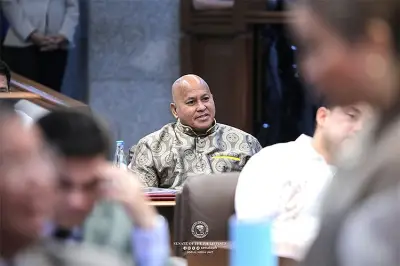
Senator Rodante Marcoleta took center stage, embracing procedural patriotism as he publicly criticized the Office of the Ombudsman regarding a whistleblower video. The senator challenged traditional evidence verification processes, questioning whether documents necessarily require notarization before becoming matters of public concern.
P100 Billion BombShell and Cash-Filled Suitcases
The political drama intensified when former representative Zaldy Co released a explosive video confession alleging P100 billion in budget insertions within government spending. Co claimed firsthand experience carrying suitcases filled with cash to high-level government officials, painting a picture of systemic corruption that reached the highest echelons of power.

The timing of Co's revelation seemed strategically calculated, arriving with the dramatic flair of a season finale. The polished production quality and emotional delivery prompted immediate public skepticism, with many questioning whether this was genuine whistleblowing or a calculated political maneuver for protection or bargaining leverage.
Comelec Enters with SOCE Scrutiny
While the rally's main stage featured bold speeches about moral accountability, backstage developments took a more procedural turn. The Commission on Elections (Comelec) announced it would conduct a thorough review of Statements of Contributions and Expenditures (SOCEs) from political candidates and parties.
This move introduces potential audits and subpoenas that could transform political bravado into legal accountability. The Comelec's intervention creates an intriguing subplot where public declarations of transparency may face rigorous financial scrutiny.
The rally's central paradox became increasingly apparent: how can a group that provides specific voting instructions to its congregation simultaneously claim the moral high ground on transparency? This contradiction echoes a fitness coach distributing donuts while preaching about dietary discipline—the message becomes confusing when actions don't align with words.
As the political theater concludes, the fundamental demand remains clear: the Filipino people deserve evidence-based investigations, unbiased proceedings, and accountability standards that aren't orchestrated for dramatic effect. The nation waits for genuine transparency that doesn't require a stage, marching band, or carefully rehearsed confessions.