Billions Spent, Lives Lost: The Aftermath of Typhoon Tino
The numbers tell a devastating story of failure and neglect in the wake of Typhoon Tino, which made landfall on November 4, 2025. What should have been a managed disaster turned into a national tragedy, exposing systemic failures in flood control infrastructure despite massive government spending.
The Cost of Failed Flood Control
According to data from the Sumbong sa Pangulo website reported by SunStar Cebu on November 6, at least 414 flood control projects worth P26.7 billion were implemented across Cebu between 2022 and 2025. The irony is stark: Cebu ranks second among provinces with the highest number of flood control projects, yet it doesn't appear among the country's top 10 flood-prone areas.
Further investigation revealed that 179 flood control projects worth P17.44 billion were built between 2016 and 2025 across four major rivers in Cebu. These billions were meant to protect communities, yet when Typhoon Tino struck, the protection failed completely.

Human Toll of Infrastructure Failure
The human cost has been staggering. As of November 9, the confirmed death toll reached 224 Filipinos, with Cebu bearing the brunt at 158 deaths. The tragedy extends beyond those who perished.
109 individuals remain missing - 57 from Cebu, 42 from Negros Occidental, and 10 from Negros Oriental. Another 526 people suffered injuries, their wounds serving as physical reminders of a disaster that should have been less deadly.
The Cebu City Government reported that nearly 9,200 families or 34,668 individuals across 80 barangays were affected as of November 7. These are real people now living in evacuation centers, uncertain when or if they can return home.
Economic and Agricultural Damage
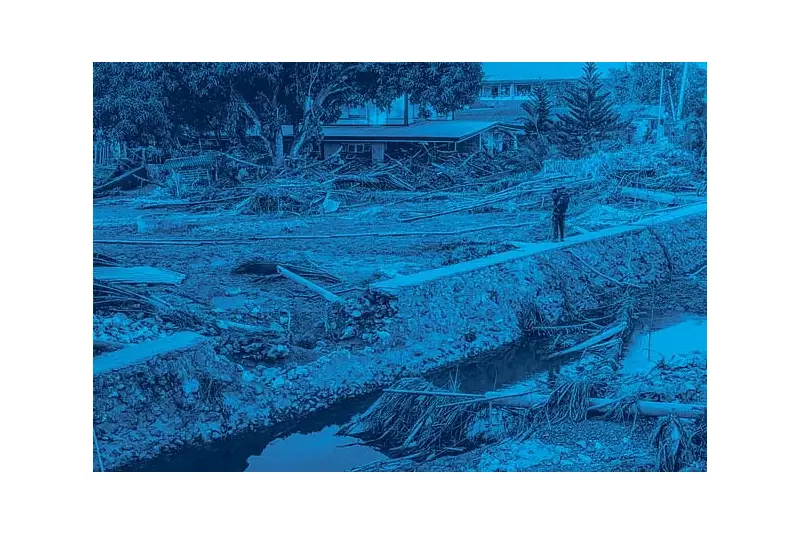
The destruction to property has been extensive, with estimated housing damage reaching P1.2 billion as of November 8. Concrete structures collapsed, roofs were torn away, and walls crumbled - all evidence of infrastructure unprepared for the inevitable.
The agricultural sector suffered significant losses too, with P3.785 million in damages reported by SunStar Cebu on November 8. Crops were ruined, livestock drowned, and livelihoods destroyed. While this figure is smaller than the billions spent on flood projects, it represents what countless rural families depend on for survival.
The Accountability Gap
Perhaps the most alarming statistic is this: zero arrests have been made since President Marcos exposed the multibillion-peso flood control scandal. The same flood projects that were supposed to protect the Visayas are now under scrutiny for alleged corruption, overpricing, and ghost implementation.
Typhoon Tino has exposed a painful truth about the Philippines: the lack of accountability when billions are spent but thousands still suffer. As communities rebuild and mourn their losses, the question remains: how much more must Filipinos endure before real change arrives?