The word "hopefully" has become a dangerous crutch for Philippine political leaders when addressing critical issues, often signaling inaction rather than solutions. This linguistic pattern reveals a deeper problem in governance where wishful thinking replaces concrete action plans.
The Empty Promise of "Hopefully"
Recent examples highlight this troubling trend. Cebu City Mayor Nestor Archival recently stated, "Hopefully if fewer families live beside the rivers... we can minimize the garbage and debris flowing downstream." Rather than expressing hope, critics argue the city should simply implement the obvious solution: relocate riverside residents to safer areas near their livelihoods.
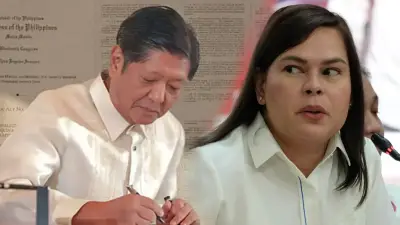
The criticism extends to national leadership. President Ferdinand Marcos Jr. offered compensation of P5,000 for partially damaged houses and P10,000 for totally damaged homes - amounts widely criticized as insufficient for meaningful reconstruction. The unspoken "hopefully" behind these inadequate amounts raises serious questions about the government's commitment to genuine disaster recovery.

From Corporate Discipline to Government Failure
The author recalls explicitly forbidding managers from using "hopefully" in corporate planning presentations, demanding instead solid action plans with measurable outcomes. This discipline appears absent in government planning, where some plans are described as "made in heaven" - a joking reference to last-minute, poorly conceived documents created merely to meet deadlines.
This approach to governance has real consequences. The destruction caused by Typhoon Tino raises questions about whether inadequate planning contributed to the severity of impact on vulnerable communities.
Citizens Take Action Where Government Fails
Fortunately, concerned citizens of Cebu are organizing a local community movement for justice with clear objectives. The movement demands the government provide survivors with immediate aid including food, clothing, temporary shelter, and permanent relocation sites. Simultaneously, they're pushing the Department of Justice to indict, convict, and punish corrupt officials while recovering stolen public funds.
The movement emphasizes that corrupt officials - including "big cats in the Senate, in the House and in Malacañang" - must be held accountable. The government's ability to fund expensive fighter jets and international travels demonstrates that resources exist for proper housing, education, and wellness programs if political will exists.
Informal settlers living in flood-prone areas need actual relocation, not hopeful words. As the author concludes, "We cannot just hope that aid will come and the truth will win. We have to show up and do what needs to be done. 'Hopefully' just doesn't cut it."