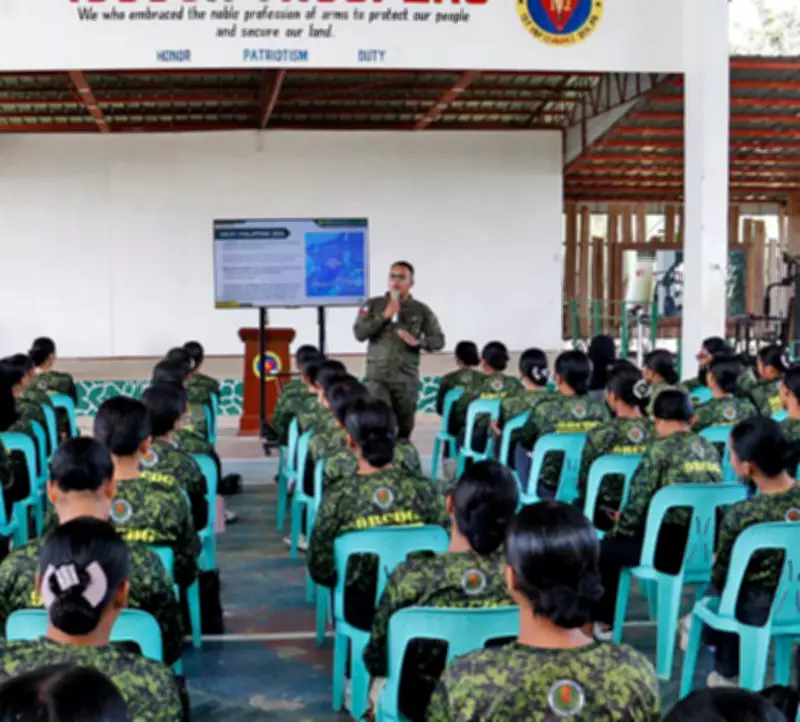
The 102nd Infantry Brigade (102Bde) of the Philippine Army successfully conducted a comprehensive one-day immersion and educational engagement program for 202 Reserve Officer Training Course (ROTC) students on Sunday, March 1. This significant event took place at the brigade's headquarters in Sanito village, Ipil, the provincial capital of Zamboanga Sibugay province.
Enhancing Military Awareness and Leadership Skills
Participants in this immersive program were cadets from the Dr. Aurelio Mendoza Memorial Colleges ROTC Unit, which operates under the 904th Community Defense Center, 9th Regional Community Defense Group, Reserve Command of the Philippine Army. The activity was designed to provide hands-on exposure to critical aspects of military life and national defense.
Key Components of the Immersion Program
Troops from the 102Bde delivered detailed discussions on various armaments used by the Philippine Army, offering cadets a practical understanding of military equipment. Additionally, a lecture focused on the West Philippine Sea highlighted current geopolitical challenges and the importance of territorial integrity.

Resource speakers emphasized the vital role of Army reservists in territorial defense operations and in addressing emerging threats to national security. This segment aimed to prepare the youth for potential future service as reservists, aligning with broader national defense strategies.
Strengthening Cadet Responsibilities and National Commitment
According to the 102Bde, this initiative significantly strengthened the cadets' awareness of their responsibilities as future reservists. It also deepened their appreciation for the Philippine Army's unwavering commitment to safeguarding the nation's sovereignty and territorial integrity.
The engagement is part of the National Government's ongoing efforts to prepare the youth for service through the 9th Regional Community Defense Group. By fostering a deeper connection between ROTC students and military operations, the program supports the development of informed and capable future leaders in defense.
This educational immersion not only provided theoretical knowledge but also practical insights, ensuring that cadets are better equipped to contribute to national security efforts in the years to come.