Vice Governor Glenn Anthony Soco and Cebu City Councilor Pastor Alcover Jr. are advocating for the regulation of mobile phone use in schools rather than implementing a total ban. The National Bureau of Investigation (NBI) 7 is set to launch an information campaign on July 10, 2026, focusing on cybersecurity, digital responsibility, and campus security for students from Grade 1 to Grade 12.
Regulation over prohibition
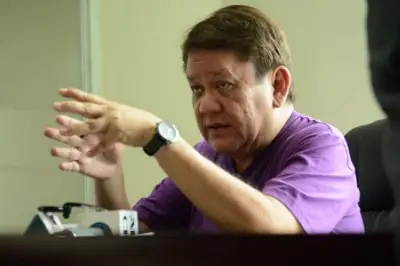
In a phone interview on Tuesday, June 30, 2026, Soco said the Provincial Board (PB) will study possible legislative measures to protect students. He emphasized that regulation is preferable to a complete ban. “I am more for regulation rather than total ban,” he stated. Soco noted that many private schools already prohibit students from using mobile phones during class, with devices temporarily confiscated until the end of the school day if rules are violated. He pointed out that some lectures or lessons are also delivered through gadgets, so these factors need to be studied.
Soco added that protecting students requires a whole-of-government approach because many threats begin outside school campuses. He also raised the possibility of a provincial ordinance carrying penalties to strengthen guidance and counseling services. When asked about limiting violent online games, Soco said the technology sector requires a broader review and suggested seeking technical assistance from the Department of Information and Communications Technology. “In the field of social media, internet, it’s boundaryless, it’s limitless... The only way to deal with it is also through technology,” he said.

Background: Tacloban school shooting
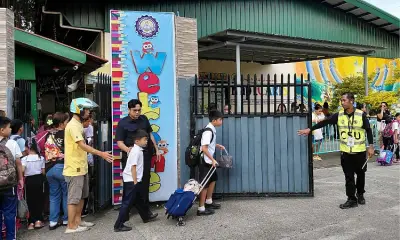
The school safety initiatives followed the June 22 mass shooting at San Jose National High School in Tacloban City involving two suspects aged 14 and 15, which left three students dead and 20 others injured. This prompted renewed calls for stronger security measures in schools. In response, Dumanjug Mayor Efren Guntrano “Gungun” Gica announced a total cellphone ban in public and private schools in the town beginning in August, along with a strict no inspection, no entry policy and confiscation of sharp objects and deadly weapons. Confiscated cellphones would be returned at the end of the school year, although parents may claim the devices earlier from the principal’s office. Basic or feature phones (keypad phones) will remain allowed.
Cebu City and NBI 7 initiatives
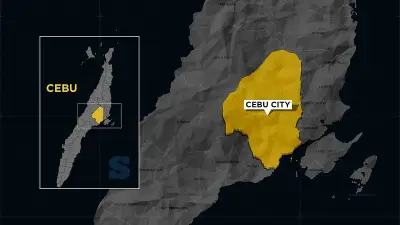
In Cebu City, Councilor Alcover echoed Soco’s position during a privilege speech at the City Council’s regular session on Tuesday. “The unnecessary use of cellular phones during class often results in distractions, cyberbullying, unauthorized recording of teachers and classmates, online gaming, social media engagement and other activities that undermine classroom discipline and diminish the quality of instruction,” Alcover said. He said students should still be allowed to use mobile phones when authorized by teachers for educational purposes or during emergencies. “It is possible for us to regulate this, maybe with the cooperation of school teachers, where phones can be deposited and then retrieved after class,” he said in a mix of Cebuano and English. Councilor Alvin Arcilla urged Alcover to file an ordinance regulating cellphone use in public and private schools during class hours. Alcover said he has drafted the proposed measure and expects to file it next week. Mayor Nestor Archival said the City will first observe the results of Dumanjug’s policy and has no plans to impose a similar ban for now.

Meanwhile, NBI 7 agent Maria Contessa “Coco” Lastimoso said an information drive for students, teachers and parents will begin on July 10 at a private school in Cebu City, with learning modules prepared for students from Grade 1 to Grade 12. “The reason why they have been chosen is because they actively reached out to us. But this does not preclude that we will limit it to private schools, but definitely we will have an active campaign in the public schools as well,” Lastimoso said. She said the campaign will cover cybersecurity, internet etiquette and physical security. Students will learn how to protect personal information, detect online scams and phishing attempts, practice respectful online behavior, prevent cyberbullying, respond to online harassment and follow campus safety and emergency preparedness measures. Newly appointed NBI 7 Director Dominador Cimafranca said colleges and universities will also be included in the campaign through partnerships with the Department of Education, local education boards and other stakeholders.