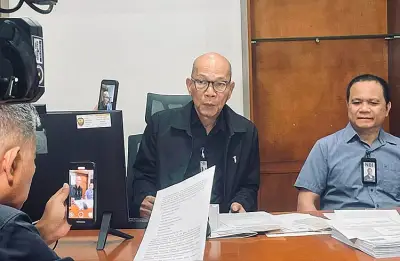
In a detailed clarification issued on Thursday, January 29, 2026, Cebu Provincial Health Consultant Elisse Nicole Catalan emphasized that the transfer of a patient from the Cebu Provincial Hospital (CPH)–Carcar adhered strictly to standard medical protocols and the Department of Health (DOH) Central Visayas e-Referral System. This statement aims to provide factual and educational information regarding hospital classifications, patient transfer procedures, and the functionality of the e-Referral System, addressing public concerns and promoting transparency in healthcare operations.
Background of the Patient Case
According to hospital records and initial reports, the patient involved was a minor who sustained injuries in a vehicular accident early in the morning. The patient arrived at CPH–Carcar at 2:30 AM, presenting with multiple wounds, and was initially unidentified. It was noted that the patient was intoxicated and not wearing a helmet at the time of the incident. Upon arrival, the SugBUCAS Emergency Room team promptly conducted an assessment and administered resuscitative and life-saving measures. Family members arrived two hours later, enabling identification of the patient.
Hospital Classification and Treatment Capacity
Catalan explained that CPH–Carcar, classified as a Level 1 hospital, provided emergency treatment and stabilization based on its capacity and mandate. Level 1 hospitals typically offer general emergency, surgical, maternity, laboratory, and X-ray services. However, due to the severity of the patient's injuries, the case required a higher level of care, including specialized services not available at the facility. Catalan highlighted that more complex cases, such as those needing advanced imaging, intensive care, or specialist doctors like neurosurgeons, must be referred to Level 2 or Level 3 hospitals.

Role of Tertiary Hospitals in Referrals
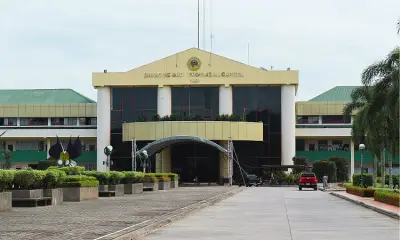
Catalan cited the Vicente Sotto Memorial Medical Center (VSMMC) as an example of an apex or Level 3 hospital equipped with subspecialty services, contrasting it with the Level 1 classification of CPH–Carcar. Tertiary or Level 3 hospitals serve as major referral centers with highly specialized capabilities, ensuring that patients receive appropriate care for critical conditions.
DOH Central Visayas e-Referral System Explained
The referral process, as detailed by Catalan, is managed through the DOH Central Visayas e-Referral System, the nation's first such initiative that has become a model for other regions. This system is designed to track patient referrals, ensure clear communication between hospitals, and direct patients to facilities with the capacity to provide the necessary care. It addresses previous issues, such as uncoordinated ambulance arrivals at major hospitals without proper endorsement or bed availability, which often led to congestion and safety risks.
Key Steps in Patient Transfer Protocols
Catalan noted that patient transfers typically require several critical steps: clinical endorsement, doctor-to-doctor communication, confirmation of bed or service availability at the receiving hospital, coordinated transportation, and proper monitoring during transit to ensure continuity of care and reduce medical risks. She acknowledged that delays in transfer can occur due to the patient's condition or limited capacity at higher-level hospitals, emphasizing that receiving facilities cannot accept patients without available beds, staff, or equipment. In some instances, patients must be stabilized before transfer, as travel itself poses medical risks.
This comprehensive explanation underscores the importance of structured referral systems in enhancing healthcare delivery and patient safety in Cebu and beyond.