Suspected Chinese Rocket Debris Spotted Over Palawan Skies; Authorities Issue Fallout Alert
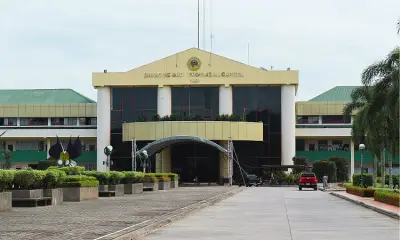
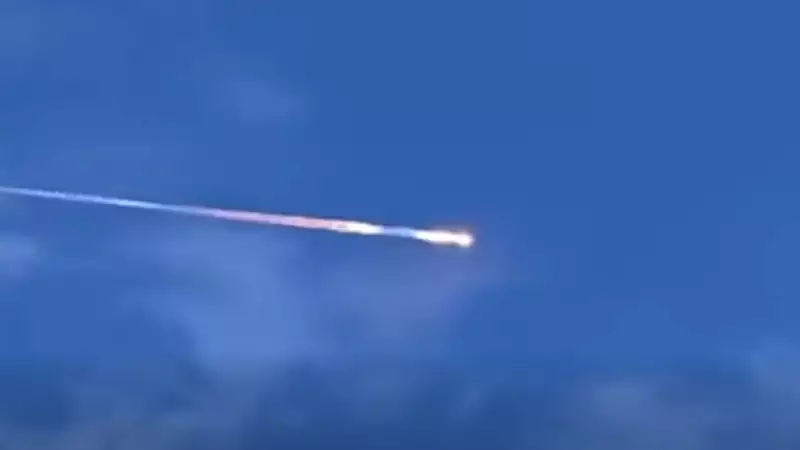
Video footage captured by the Western Naval Command has documented the passage and smoke trail of what is suspected to be debris from China's Long March 12 rocket, which traversed the airspace of Palawan on the afternoon of Monday, January 19, 2026. This incident was recorded just minutes after the rocket's launch from Wenchang, China, raising immediate concerns among local and national authorities.
Philippine Space Agency Issues Preemptive Warnings
Prior to this event, the Philippine Space Agency (PhilSA) had already issued a stern warning, anticipating that rocket debris would fall within two designated drop zones located in the archipelagic waters of the Philippines. These zones are situated approximately 22 nautical miles from Puerto Princesa and 14 nautical miles from the ecologically sensitive Tubbataha Reefs Natural Park, a UNESCO World Heritage site known for its rich marine biodiversity.
No Immediate Damage Reported; Monitoring Continues
As of the afternoon of Tuesday, January 20, there have been no reports of injuries, property damage, or debris landing on terrestrial areas. Despite this, the Western Naval Command, in collaboration with various government agencies, remains on high alert and continues to actively monitor the situation. Their efforts are focused on ensuring public safety and assessing any potential risks that may arise from the debris.

PhilSA Reiterates Dangers of Rocket Debris
In a renewed advisory, PhilSA has emphasized the significant dangers posed by the rocket debris, particularly to maritime vessels. The debris may contain hazardous and toxic chemicals, making it a serious threat to both human health and the environment. The agency has strongly advised the public to avoid any contact with the debris and to immediately report any suspicious objects spotted in the sea or along the coastline to the relevant authorities.
This incident underscores the ongoing challenges in space debris management and highlights the importance of international cooperation in mitigating risks to coastal communities and marine ecosystems. The proactive measures taken by Philippine agencies aim to prevent any adverse impacts from this event, as vigilance remains paramount in the coming days.