LTFRB Drafts New Rules to Ban Renewal of Dilapidated Public Utility Vehicles
The Land Transportation Franchising and Regulatory Board (LTFRB) is currently developing a set of regulations aimed at halting the franchise renewal process for public utility vehicles (PUVs) that are in poor or dilapidated condition. This initiative seeks to enhance safety standards across the transportation sector in the Philippines.
Key Details of the Proposed Regulations
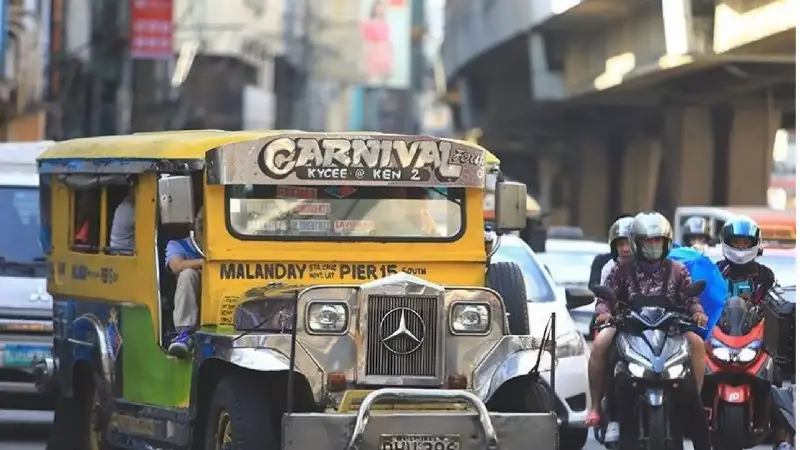
According to LTFRB Chairperson Vigor Mendoza, once these rules are finalized, the board will no longer approve franchise renewals for passenger vehicles that are deemed damaged or unsafe. The scope of this policy is broad, covering a wide range of PUVs, including traditional and modern jeepneys, buses, and taxis. This move is part of a larger effort to modernize and improve the quality of public transportation services.
Inspiration Behind the Policy
Chairperson Mendoza shared a personal experience that influenced this decision. During a trip in the Visayas region, he rode a jeepney that had a large hole in the middle of the floor, posing a significant safety risk. Additionally, he noted that the drivers were not properly attired, wearing only sandals, singlets, and shorts, which further highlighted the need for stricter enforcement of regulations. This firsthand encounter underscored the urgent need for reforms in the PUV sector.

Next Steps and Implementation
The LTFRB plans to discuss these proposed regulations in upcoming meetings over the next few weeks. These discussions will involve stakeholders to ensure the rules are practical and effective. The goal is to implement the new guidelines promptly to prevent unsafe vehicles from continuing to operate, thereby protecting passengers and promoting a more reliable public transport system.
This regulatory push aligns with broader government initiatives to upgrade transportation infrastructure and enforce compliance with safety standards. By targeting franchise renewals, the LTFRB aims to incentivize vehicle owners to maintain their fleets in good condition, ultimately leading to a safer and more efficient commuting experience for all Filipinos.