LTFRB Announces Stricter Franchise Policy for Dilapidated Public Utility Vehicles
The Land Transportation Franchising and Regulatory Board (LTFRB) has unveiled a significant policy shift aimed at improving the quality of public transportation across the Philippines. In a statement released on Friday, January 23, 2026, the regulatory body announced it is developing new guidelines that will prevent the renewal of franchises for dilapidated public utility vehicles (PUVs).
Addressing Commuter Complaints and Safety Concerns
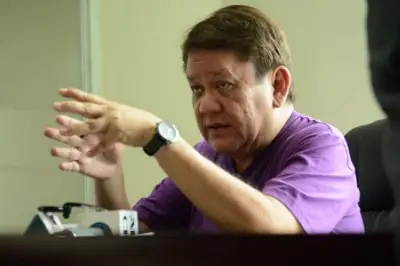
LTFRB Chair Vigor Mendoza II emphasized that this reform directly responds to numerous commuter complaints and aligns with President Ferdinand R. Marcos Jr.'s directive to ensure reliable and comfortable transportation for all Filipinos. The new confirmation process will strictly deny franchise renewals for vehicles in poor condition, marking a substantial step toward modernizing the country's public transport system.
"We will adopt a new confirmation process. We will not confirm the franchise of any broken down vehicles," Mendoza declared, highlighting the board's commitment to raising transportation standards.

Personal Experiences Highlight Urgent Need for Reform
The policy initiative stems from firsthand observations by Department of Transportation officials, including Mendoza's own alarming experiences. The LTFRB chair recounted riding a jeepney in Visayas with a significant hole in the passenger floor, while noting that many jeepneys in Metro Manila suffer from torn and dirty seats.
"I am talking about the modern jeepneys. I don't even want to discuss the traditional jeepneys and let me not get started with the taxis," Mendoza stated, revealing the widespread nature of vehicle deterioration across different PUV categories.
Comprehensive Inspection and Monitoring Framework
The reform will begin with enhanced inspection and monitoring of all public utility vehicles, including:
- Traditional and modern jeepneys
- Taxis
- Passenger buses
Mendoza explained that the LTFRB's legal mandate encompasses regulating public transport, ensuring roadworthiness, verifying driver competence, and guaranteeing passenger safety and comfort. This new policy represents a crucial component of fulfilling these responsibilities more effectively.
Implementation Timeline and Next Steps
The proposed measure will undergo thorough discussion by the LTFRB board and its top officials to establish clear implementation guidelines. This collaborative approach aims to create a structured framework that addresses vehicle condition while considering operational realities for transport operators.
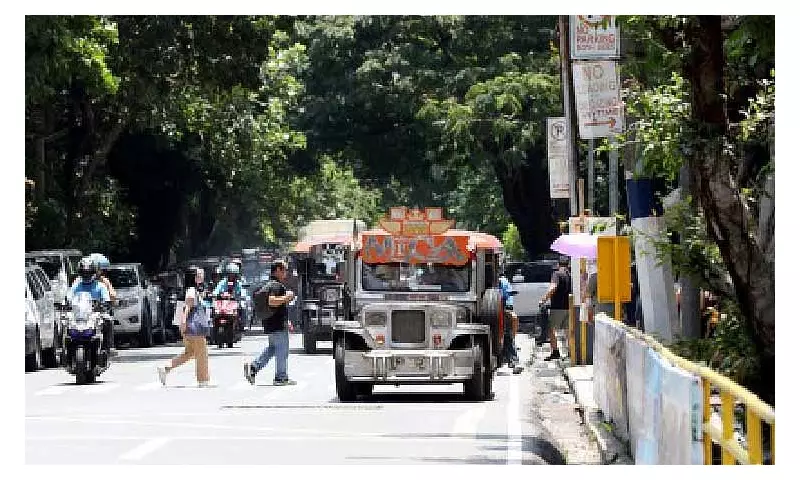
This policy development follows photographic documentation of traditional jeepneys operating along Padre Faura Street in Manila as recently as August 2025, illustrating the ongoing presence of aging vehicles in the transportation network. The LTFRB's initiative signals a determined effort to transform commuting experiences for millions of Filipinos who rely on public transportation daily.