Philippine Air Force Emphasizes Training Nature of Joint US Air Exercises
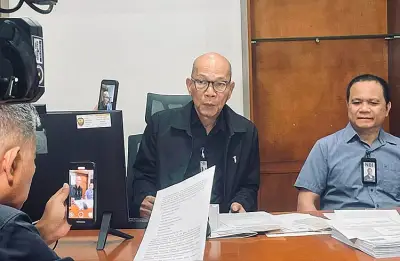
The Philippine Air Force (PAF) has clarified that the recently concluded bilateral air drills conducted with United States military assets over Luzon and the West Philippine Sea were not designed to provoke any nation, particularly China. PAF spokesperson Colonel Ma. Christina Basco stated during a radio interview that these activities were part of long-planned interoperability exercises with the US Pacific Air Forces (PACAF), emphasizing their routine training character.
Drills Conducted Within Philippine Territory
Colonel Basco highlighted that the joint military operations, which took place from February 2 to 6, 2026, were executed strictly within Philippine territory and complied with all relevant laws. She stressed that the exercises were well-coordinated with other agencies and represented planned training initiatives rather than spontaneous actions. The spokesperson reiterated that the Philippines has no intention to provoke any country through such military activities.
Detailed Breakdown of the Bilateral Engagement
The series of exercises involved multiple coordinated air activities aimed at strengthening cooperation and interoperability between Philippine and US forces. Key components included:

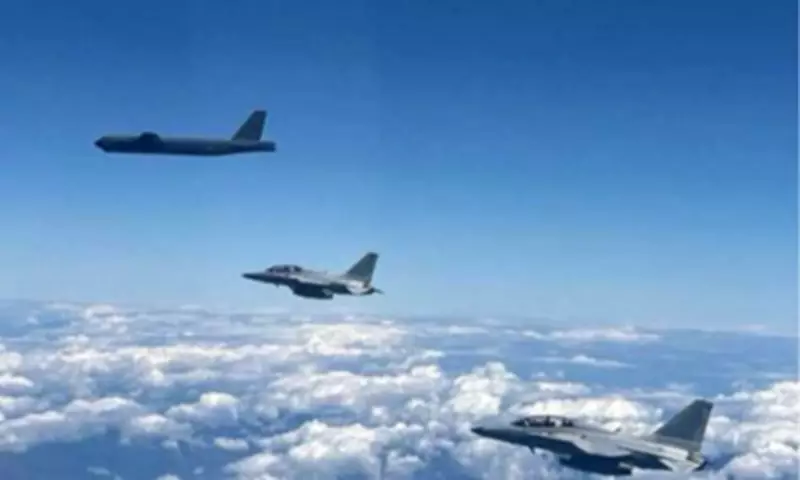
- A live drop exercise on February 2, featuring two PAF FA-50PH fighter aircraft and two US PACAF B-52 bomber aircraft.
- An air defense scenario on February 4 over the West Philippine Sea, focusing on airspace coordination, command-and-control integration, and joint operational response.
- A culminating joint bomber air patrol on February 6 over the West Philippine Sea and Luzon Strait, highlighting combined mission planning and operational readiness.
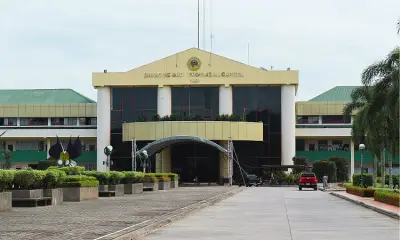
These activities were conducted from various locations, including Col. Ernesto Rabina Air Base in Tarlac City and over the West Philippine Sea via the Luzon Strait. Support was provided by US Special Operations Command Pacific and Marine Corps Forces, Pacific.
Enhancing Strategic Cooperation and Readiness
According to Colonel Basco, the drills significantly enhanced bilateral interoperability, operational readiness, and strategic cooperation through joint planning, coordination, and execution in a realistic training environment. She noted that such exercises are part of ongoing efforts to boost the working relationship between the PAF and its American counterparts, ensuring both forces can operate effectively together in various scenarios.
The PAF's announcement underscores the importance of these training activities in maintaining defense capabilities and fostering international military partnerships, while firmly stating their non-provocative nature in the regional context.