Philippines Unable to Send Warships to Hormuz Strait Amid US Call for Assistance
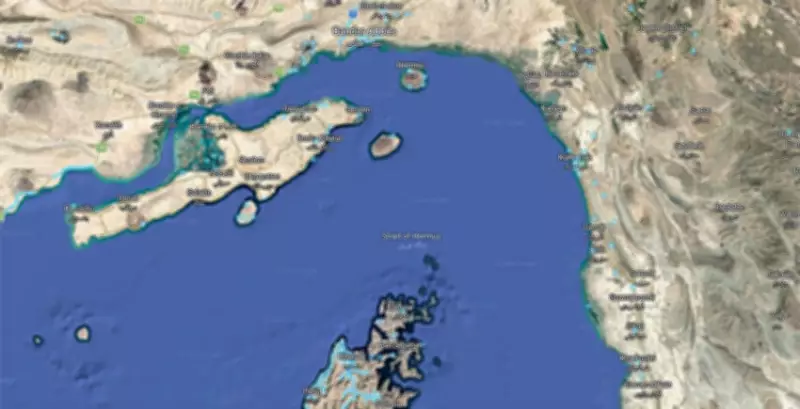
Defense Secretary Gilberto Teodoro Jr. declared on Tuesday, March 17, 2026, that the Philippines is incapable of deploying warships to the Strait of Hormuz. This statement comes in response to United States President Donald Trump's appeal for nations to help secure the vital waterway amidst escalating tensions in the Middle East.
"We don't have the capability to escort," Teodoro emphasized during an ambush interview in Pangasinan, highlighting the country's limitations in naval operations.
Risks to Filipino Workers and Seafarers Cited
Teodoro stressed that any action by the Philippine government that could exacerbate the conflict in the region must be avoided. He pointed out the significant number of Filipino seafarers and overseas Filipino workers (OFWs) who would be adversely affected by heightened hostilities.

"Our Filipino seafarers and other overseas Filipino workers are being put at risk," Teodoro stated, underscoring the human cost of potential escalation.
He further called for immediate measures to de-escalate the situation, adding, "All moves that escalate the situation, especially indiscriminate attacks, should be stopped immediately, and we should seek an early resolution to the crisis in the Middle East."
Trump's Appeal for International Support
Earlier, President Trump urged other countries to send warships to the Strait of Hormuz. This appeal followed Iran's threats to escalate conflicts across the Middle East in retaliation for Washington's bombing of its primary Gulf island energy hub.
In a social media post, Trump asserted, "The Countries of the World that receive Oil through the Hormuz Strait must take care of that passage, and we will help — A LOT!" He also mentioned that the US would coordinate with involved nations to ensure operations proceed "quickly, smoothly, and well."
The Philippines' stance reflects its focus on protecting its citizens abroad rather than engaging in military deployments, amid ongoing regional instability.