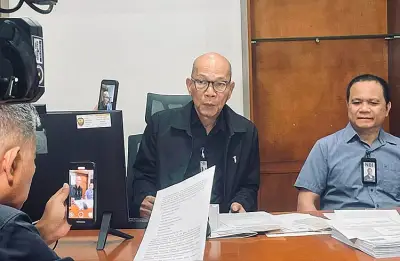
In a significant policy shift, the Philippine government is moving to deploy long-range drones for maritime patrols to enhance coastal security and drug interdiction efforts. This announcement was made by Interior and Local Government Secretary Jonvic Remulla during a press conference in Calapan City, Oriental Mindoro, on Friday, March 13, 2026.
Transition to High-Tech Surveillance
Secretary Remulla emphasized that the Philippine National Police (PNP) will transition from traditional helicopter-based and speedboat-based approaches to utilizing advanced drone technology. "This year, the PNP will shift. Instead of a helicopter-based approach and a speedboat-based approach, we will buy long-range drones to patrol our coasts," Remulla stated. He highlighted that these drones will be equipped with radio intercept capabilities to identify vessels, allowing Coast Guard elements to pursue only those that fail to respond.
Funding from Helicopter Insurance Proceeds
The funding for this initiative will come from the PNP's budget, specifically from insurance proceeds of two helicopters that crashed in recent years. "The insurance proceeds amount to almost $10 million. Instead of buying helicopters again, we will use it to purchase high-technology drones," Remulla explained. He noted that drones are cheaper, easier to operate, and more effective in drug interdiction compared to helicopters or boats.

Context of a Major Drug Bust
This announcement follows a major drug seizure on March 10, 2026, when Philippine Army personnel recovered 910 kilograms of methamphetamine hydrochloride (shabu) concealed in 43 sacks in Paluan, Occidental Mindoro. The drugs were abandoned by two Chinese nationals who fled in a speedboat that ran aground near Barangay Harrison. Authorities apprehended the suspects after vigilant residents reported them seeking help to recharge their cellphones.
Hours later, two Filipino nationals were arrested, suspected of being paid to assist the Chinese individuals. Remulla linked this incident to an international syndicate involved in multi-billion peso drug shipments. "The markings appear to be manufactured in Vietnam, but that is not validated. However, the sacks are made in Vietnam," he added, indicating the sophisticated nature of the operation.
Sophisticated Criminal Networks
Remulla described the suspects as part of a highly organized criminal network. "This is a very sophisticated organization. They even employed drones to locate where the drugs were scattered. So they are not ordinary criminals; these are syndicates, these are foreign. There are Chinese-run syndicates disrespecting our country," he asserted. The suspects reportedly arrived in the Philippines on March 5 and rented a house in Batangas with a Chinese woman believed to be a key figure in the syndicate.
He further explained that suspects often drop drugs into the sea to evade detection, underscoring the need for advanced surveillance technology like drones to combat such tactics effectively.