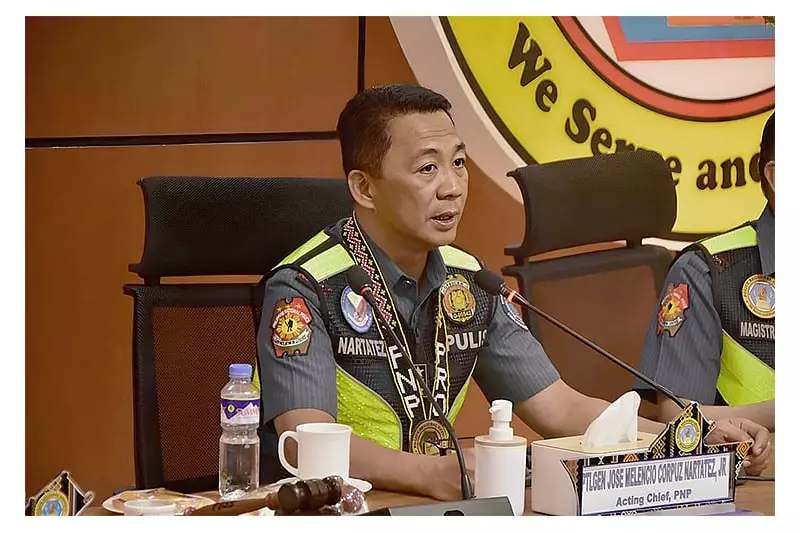
MANILA. The Philippine National Police (PNP) is undergoing a significant transformation in its approach to maintaining discipline and integrity within its ranks. Under the leadership of Police Lieutenant General Jose Melencio Nartatez Jr., the organization is moving away from a purely punitive internal cleansing strategy toward a more proactive, preventative model aimed at stopping police misconduct before it even occurs.
A New Direction for Police Discipline
In a statement released on Friday, January 23, 2026, Nartatez outlined this strategic shift, which aligns with directives from President Ferdinand Marcos Jr. and Interior and Local Government Secretary Jonvic Remulla. The goal is to cultivate a police force that is not only disciplined and professional but also free from syndicate influence, serving the Filipino people with unwavering integrity.
Focus on Long-Term Sustainability
Nartatez emphasized that while the PNP has successfully dismantled major criminal syndicates infiltrating its personnel, the focus must now pivot to ensuring long-term sustainability. To achieve this, the PNP leadership is institutionalizing early detection programs designed to identify and address potential issues at their inception.

Key components of this preventative approach include:
- Mandatory ethics training for all personnel
- Comprehensive psychological assessments
- Stricter screening processes during recruitment
- Continuous professional development programs
Prevention Over Punishment
"Prevention is better than cure," Nartatez stated, highlighting the core philosophy behind the new strategy. "We have shifted our focus on preventive and early interventions to strengthen the moral and spiritual foundation and instill discipline and integrity among our personnel."
He further explained in Filipino: "Sa pamamagitan ng mas mahigpit na screening, continuous training, at psychological assessments, nakikita natin ang mga posibleng risk factors bago pa man magkaroon ng mali (Through stricter screening, continuous training, and psychological assessments, we can identify possible risk factors even before anything goes wrong). We also have integrity monitoring and mentorship programs to guide young officers toward professionalism."
Collaboration and Technological Integration
The shift comes as Secretary Remulla announced that integrity within the PNP has been restored following the cleansing of syndicates and so-called "ninja cops." Nartatez acknowledged that a corruption-free police force cannot operate in isolation, stating, "Kaya nakikipagtulungan kami sa local communities, barangay councils, at civil society organizations para sa transparency initiatives at reporting mechanisms (That's why we are collaborating with local communities, barangay councils, and civil society organizations for transparency initiatives and reporting mechanisms)."
To bolster these efforts, Nartatez is expanding the use of technology in high-risk operations. This includes:
- Wider deployment of body-worn cameras for officers
- Implementation of GPS tracking systems
- Creation of digital audit trails to enhance accountability
These technological tools are designed to serve a dual purpose: protecting the public from potential abuses and safeguarding the integrity of honest officers by providing clear evidence of their actions.
Commitment to Public Trust
Nartatez reassured the Filipino public that the internal cleansing initiative will not lose momentum. The PNP remains steadfast in its commitment to building a police force that is not only feared by criminals but also trusted by every citizen. This preventative strategy represents a forward-thinking approach to law enforcement, aiming to foster a culture of integrity from the ground up rather than merely reacting to misconduct after it happens.
The comprehensive plan underscores the PNP's dedication to continuous improvement and adaptation in its pursuit of excellence and public service.