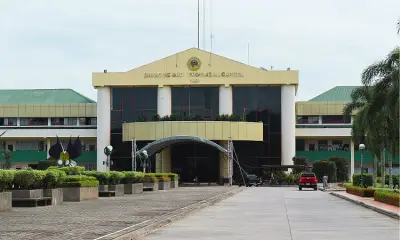
PNP Affirms Voluntary Cooperation in ICC Drug War Investigation
The Philippine National Police (PNP) made a significant announcement on Monday, clarifying its position regarding the International Criminal Court's (ICC) ongoing probe into the controversial war on drugs during the administration of former President Rodrigo Duterte. According to official statements, the PNP will not force any of its members to testify or hinder individuals who wish to cooperate voluntarily with the international tribunal.
ICC's Investigation into Alleged Human Rights Violations
The ICC Office of the Prosecutor is currently examining alleged human rights abuses, including killings, torture, and sexual violence, that reportedly occurred from November 1, 2011, to March 19, 2019. This period covers key years of the anti-drug campaign that has drawn global scrutiny. The tribunal has actively encouraged direct witnesses, particularly members of the PNP and other law enforcement agencies, to provide confidential information through its secure online portal.
PNP Spokesperson Emphasizes Voluntary Nature
PNP spokesperson PBGen. Randulf Tuaño provided crucial context, noting that the ICC has not issued any official summons. Instead, the court has extended an invitation for voluntary cooperation. Tuaño stressed that the official stance of the PNP is clear: it will neither compel nor obstruct any officer who chooses to testify. He further explained that such cooperation should be a personal decision, ideally made with proper legal counsel to navigate the complex international legal landscape.

Jurisdictional Dispute Amid Philippines' ICC Withdrawal
This development occurs against the backdrop of the Philippines' withdrawal from the ICC in 2019. Despite this move, the tribunal maintains that it retains jurisdiction over alleged crimes committed while the country was still a member state. This legal contention adds a layer of complexity to the investigation, as the PNP balances national sovereignty concerns with international legal obligations.
The PNP's statement underscores a nuanced approach, respecting individual autonomy while acknowledging the gravity of the ICC's inquiry. As the probe continues, this policy may influence how law enforcement personnel engage with international bodies, potentially shaping future accountability mechanisms in human rights cases.