Security Forces in Eastern Mindanao Reaffirm Public Safety Amid US Fuel Depot Reports
Security forces across the Davao Region and Eastern Mindanao have issued firm assurances of continued safety and stability following reports that the United States is exploring the establishment of a military fuel storage facility along the strategic Davao Gulf. The Eastern Mindanao Command (EastMinCom) emphasized its unwavering commitment to protecting communities, while maintaining a cautious stance on the preliminary project.
Military Maintains Vigilance Despite Unconfirmed Project Details
EastMinCom spokesperson Lt. Col. Ryann Velez confirmed awareness of the reports but noted the command has not received formal briefings on the specifics. "Rest assured that the Eastern Mindanao Command will carry out our mandate, especially in ensuring the safety and security of the public with adherence to the laws and existing policies of our nation," Velez stated in an interview with state media. He reiterated that military operations will continue prioritizing territorial security and public safety regardless of external developments.
US Project Remains in Early Procurement Phase
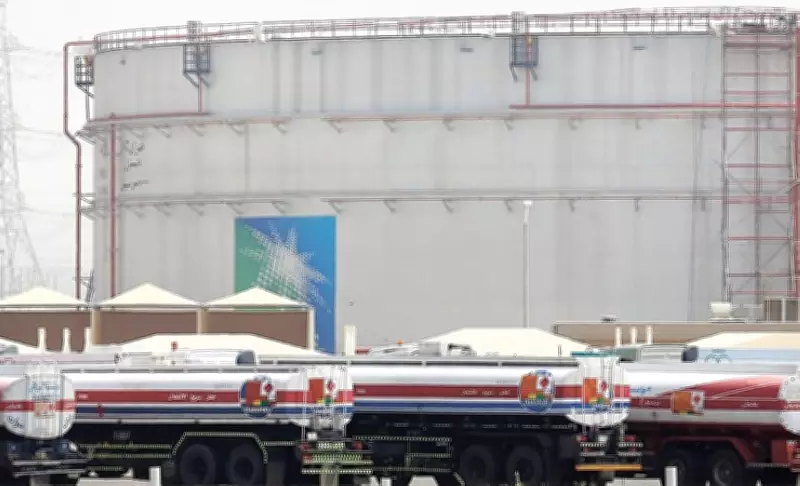
The proposed facility originates from a March 31, 2026 solicitation by the US Defense Logistics Agency (DLA), inviting contractors to bid for "Contractor-Owned, Contractor-Operated (COCO) Fuel Storage Services in Davao, Philippines." The project envisions a Defense Fuel Support Point (DFSP) for military logistics, including:

- Fuel storage and distribution services
- Receipt and testing of petroleum products
- Delivery operations for military needs
Officials clarified the initiative remains in the bidding phase, with no contract awarded or construction approved. The submission deadline for proposals is June 29, 2026. Under the COCO arrangement, any facility would be privately owned and operated, distinguishing it from traditional foreign military bases.
Strategic Location and Regional Implications
Security analyst Chester Cabalza highlighted the Davao Gulf's strategic value due to its proximity to key maritime corridors like the Sulu and Celebes Seas, making it valuable for Indo-Pacific logistics operations. The proposed depot would support naval and aviation operations across the Western Pacific, potentially serving as a refueling alternative to existing hubs such as Subic Bay and Manila. Military officials noted similar facilities being explored in Australia and Papua New Guinea reflect evolving regional logistics requirements.
AFP Emphasizes Sovereignty and Disaster Response Benefits
The Armed Forces of the Philippines (AFP) clarified that any future arrangements involving foreign forces would operate under existing defense frameworks like the Visiting Forces Agreement (VFA) and Enhanced Defense Cooperation Agreement (EDCA). AFP spokesperson Rear Admiral Roy Vincent Trinidad stressed that facilities under these agreements remain under Philippine ownership and jurisdiction. He added such infrastructure could enhance Humanitarian Assistance and Disaster Response (HADR) capacity in disaster-prone Mindanao.
Local Government and Civil Groups Voice Strong Opposition
Despite national-level assurances, the Davao City Government has expressed firm opposition to the proposed project. In an April 14 statement, city officials declared they would not support any foreign-linked facility failing to address economic concerns, particularly the impact of global conflicts on fuel prices and living costs. "If such a plan does not help cushion the impact of the ongoing conflict in the Middle East, such as reducing the price of oil and commodities and alleviating living conditions, then we will not support it," the statement read.
Davao City Information Office head Harvey Lanticse confirmed the local government's opposition. Meanwhile, advocacy group Bagong Alyansang Makabayan-Southern Mindanao (Bayan-SMR) called on local governments across Davao Region to reject the proposal, citing sovereignty and public safety concerns. The group warned against expanding foreign military presence and urged prioritizing national interest.

Balancing Security and Geopolitical Considerations
As debate continues, defense officials maintain that a procurement notice does not equate to an approved project. Authorities underscored that any development will undergo comprehensive legal, political, and community-level scrutiny before implementation, ensuring alignment with Philippine interests and regulations.