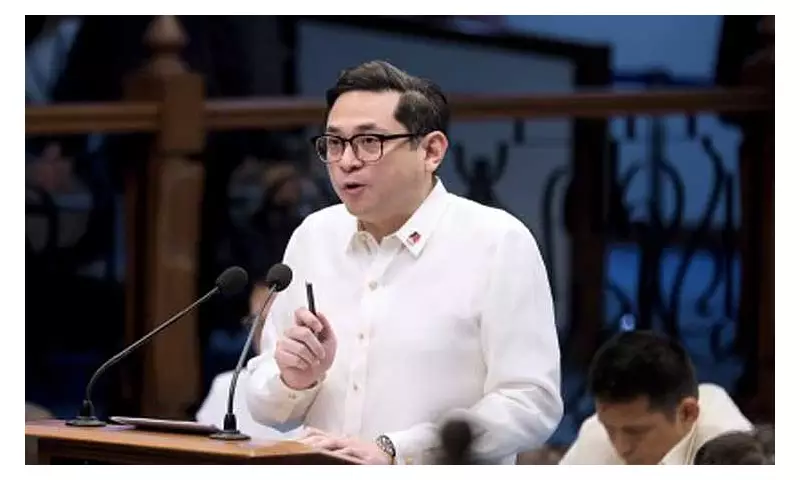
Senator Bam Aquino has introduced a major legislative proposal designed to fundamentally reform the Philippines' party-list system. The move comes in response to widespread criticism that the mechanism intended to give voice to marginalized sectors has been hijacked by political dynasties and business interests.
Addressing Systemic Exploitation
Aquino filed Senate Bill No. 1559, known as the Party-List Reform Act, on Tuesday, December 2, 2025. He stated that the bill's primary goal is to restore the system to its original constitutional purpose. The senator argued that the current setup is being exploited by powerful groups, directly undermining its mission to uplift underrepresented Filipinos.
"These findings underscore an urgent and undeniable truth: the party-list system is being exploited by the powerful at the expense of those it was designed to uplift," Aquino emphasized.

Key Findings and Proposed Reforms
The push for reform is backed by alarming data. A 2025 report from the election watchdog Kontra Daya revealed that 86 out of 156 accredited party-list groups in the 2025 elections had connections to political dynasties or major business interests. Furthermore, of the 63 groups proclaimed winners for the 20th Congress, 40 were flagged in the same study.
The proposed legislation introduces several concrete changes:
- Enhanced Screening: The Commission on Elections (COMELEC) will be mandated to hold evidentiary public hearings. These hearings will verify that party-list groups genuinely represent their claimed sectors and that their nominees are legitimate members of those sectors.
- Extended Deadlines: The bill lengthens the party-list registration period from 90 to 120 days before an election. It also pushes the release of the certified list of eligible groups from 60 to 90 days before the polls.
- Stricter Nominee Rules: Each party-list will be required to submit at least six nominees, with the list requiring approval from the group's highest governing body.
Disqualifications and Anti-Corruption Measures
To prevent abuse, the bill sets clear disqualifications for nominees. Individuals who are relatives, up to the third degree, of any incumbent elected official will be barred. The prohibition also extends to current or former government contractors.
Senator Aquino explained that these specific provisions aim to close loopholes that allow corruption and to stop the system from being used as a backdoor to power by wealthy and influential individuals. He framed the reforms as essential for democratic participation.
"Through these reforms, this measure ensures that the party-list system truly serves the many, not the few, and empowers ordinary Filipinos to have a real say in their Congress," Aquino concluded.