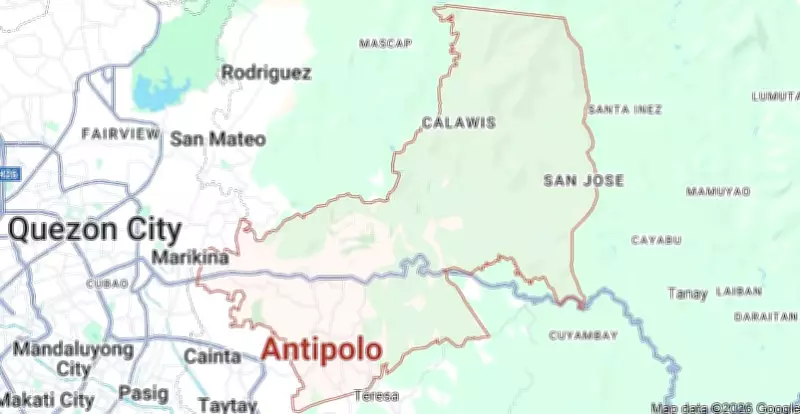
The Commission on Elections (Comelec) has announced a stringent prohibition on social services provision in the Second District of Antipolo City, effective Wednesday, March 4, 2026. This absolute ban, mandated by Resolution 11185, will remain in force until March 13, 2026, directly preceding the special congressional polls scheduled for March 14.
Scope of the Prohibition
Under this directive, the release of public funds for social services programs is strictly forbidden within the specified district. Key programs affected include the Assistance to Individuals in Crisis Situation (AICS) and Ayuda para sa Kapos ang Kita Program (Akap), both administered by the Department of Social Welfare and Development. Additionally, the Tulong Panghanapbuhay sa Ating Disadvantaged/Displaced Workers (Tupad) program, overseen by the Department of Labor and Employment, falls under this ban when implemented in the Second District of Antipolo City.
Exemptions and Enforcement
The absolute ban does have limited exemptions. Burial and medical assistance programs are excluded from this prohibition, allowing these critical services to continue uninterrupted. In a recent phone interview, Comelec Chairman George Garcia emphasized the non-negotiable nature of this ban, urging all stakeholders to comply fully without seeking loopholes.

Chairman Garcia stated, "When we say absolute ban, it means absolute ban. There should be no attempts to find gaps or test the resolve of Comelec. There will be no room for compromise." This firm stance underscores the commission's commitment to maintaining electoral integrity by preventing any potential misuse of public resources during the sensitive pre-election period.
Context and Implications
This measure is part of Comelec's broader efforts to ensure fair and unbiased elections by restricting activities that could influence voters. The timing of the ban, covering the ten days leading up to the special congressional polls, aims to create a level playing field and uphold democratic principles. Residents and officials in Antipolo City's Second District must adjust their plans accordingly, as the prohibition impacts various social welfare initiatives designed to support vulnerable populations.