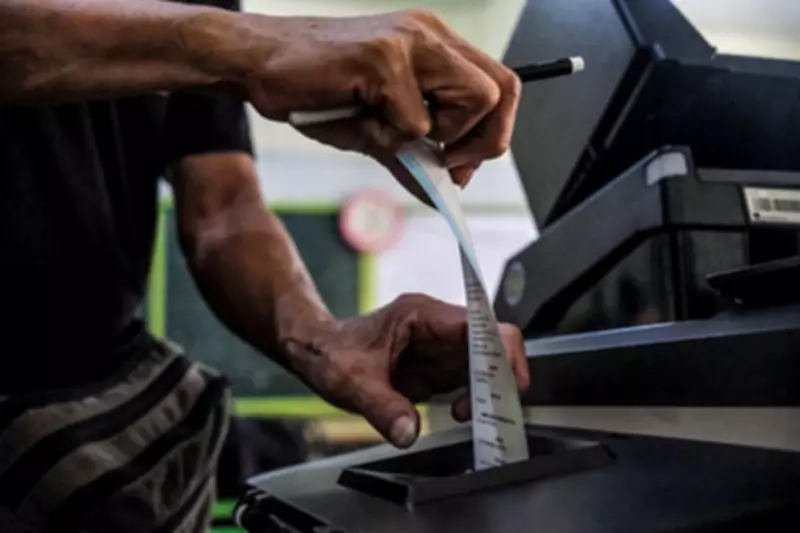
Comelec Reaffirms Commitment to Automated Elections for 2028 Polls
The Commission on Elections (Comelec) has issued a definitive statement confirming that the upcoming May 2028 national and local elections will continue to utilize the automated election system (AES). This announcement comes in direct response to circulating misinformation on social media platforms that suggested a potential shift back to manual voting methods.
Official Statement Clarifies Legal Mandate
In an official communication released by the election body, Comelec emphasized its strict adherence to existing election laws that mandate the use of automated systems for all national and local electoral processes. "The Comelec abides by existing election laws and will continue to enforce them in the next and upcoming elections," the commission stated unequivocally.
The statement further elaborated that the automated election system represents the established legal framework for conducting elections in the Philippines, and there are no plans to deviate from this system for the 2028 electoral exercises.

Debunking False Social Media Claims
Comelec's clarification specifically addresses false information that has been circulating through Facebook posts from accounts identified as Makhina Moto Vlog and Meljam DL. These posts inaccurately attributed statements to Comelec Chairman George Garcia, suggesting he had announced a promotion of manual counting for the 2028 elections as a fraud prevention measure.
"The Facebook posts circulating by Makhina Moto Vlog and Meljam DL claiming that Comelec Chairman George Erwin Garcia has announced the promotion of manual counting for the National and Local Elections in 2028 to prevent fraud are fake news," the commission declared.
The election body emphasized that Chairman Garcia never made such statements and that the information contained in these social media posts does not originate from any official Comelec source. "This Commission strongly clarifies that the information contained in the Facebook posts is untrue, was not said by Chairman Garcia, and is not from the Comelec," the statement added.
Public Advisory on Information Verification
In light of these misleading claims, Comelec has issued a strong advisory to the voting public, urging citizens to exercise critical thinking when encountering election-related information online. The commission emphasized the importance of verifying information through official channels before sharing or acting upon it.
The poll body also issued a stern warning regarding the legal consequences of spreading false election information. According to the Omnibus Election Code, disseminating false and alarming information that could affect electoral processes constitutes an election offense with potential legal repercussions.
Comelec's proactive approach in addressing these false claims demonstrates the commission's commitment to maintaining electoral integrity and ensuring that accurate information reaches the public ahead of the crucial 2028 elections.