Comelec Chairman Pledges to Secure Funding for Antipolo Special Elections
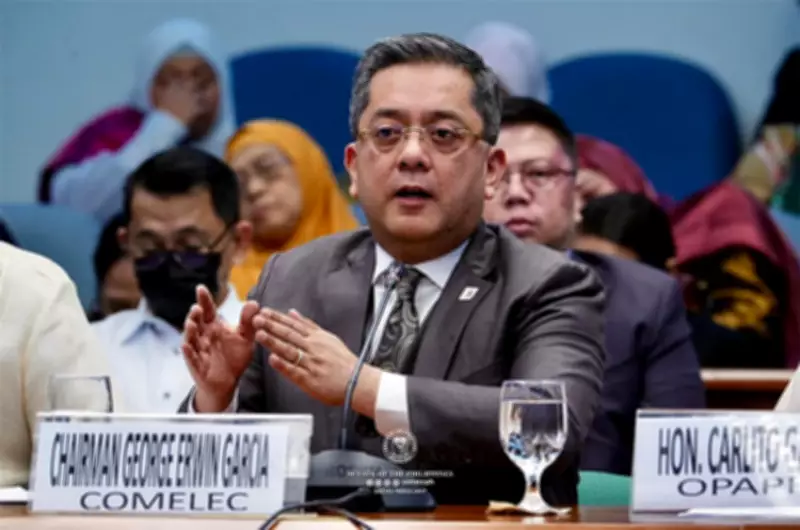
In a determined move, the Commission on Elections (Comelec) is actively searching for additional financial resources to ensure the successful conduct of the March 14 special polls in Antipolo City's Second District. This commitment comes directly from Comelec Chairman George Garcia, who emphasized the agency's readiness to explore all possible avenues to cover the estimated P98 million required for the electoral exercise.
Budget Constraints and Alternative Solutions
During an interview on Thursday, February 5, 2026, Garcia outlined the financial challenges, stating, "We will find additional funding to pay for the supplies, ballot printing, and the teachers' honoraria." He further explained that the Comelec plans to realign existing funds or utilize savings to bridge the gap, asserting, "The Comelec will find a way to realign our funds or savings so that we can use them. We are short in funds but the election must be held at all costs."
The urgency stems from a significant discrepancy in the allocated budget. Last month, the Comelec disclosed that the special polls, intended to elect a replacement for the late Antipolo City (Second District) Representative Romeo Acop, would cost P98,712,417.18. However, the General Appropriations Act for 2026 provides only P11,189,000 nationwide for all recall elections, special elections, referenda, initiatives, and plebiscites combined.

Denied Requests and Government Priorities
In response to this shortfall, the Comelec sought assistance from the Office of the President to facilitate the March 14 special polls. Unfortunately, the Department of Budget and Management (DBM) has denied their request for additional funding. Garcia expressed disappointment, noting, "It is a very unfortunate development that we were not given the additional budget. We received a letter from the DBM saying that we will not be able to get the additional budget."
Highlighting the stark contrast between the needed amount and the available funds, Garcia added, "The funding allocated to the Comelec is P11 million. What we need is P98 million. No matter how we use mathematics, it would be very insufficient." He questioned the government's priorities, remarking, "There are budgets that are used but leads to nothing. How come an election that only costs P98 million (is being denied)? Yes, it's a lot, but not compared to the billions that sometimes we don't actually see where they go to."
This situation underscores the ongoing challenges in funding electoral processes in the Philippines, as the Comelec remains steadfast in its mission to uphold democratic exercises despite financial hurdles.