Political Landscape Transforms Ahead of 2028 Presidential Election
The political trajectory of Naga City Mayor Leni Robredo has become a focal point of national discussion as the 2028 presidential election approaches. Robredo, who served as vice president from 2016 to 2022 after defeating Ferdinand Marcos Jr. for that position, later lost to him in the 2022 presidential race. In 2025, she successfully transitioned to local governance by winning the mayoral election in Naga City.
Changing Dynamics Between Key Political Figures
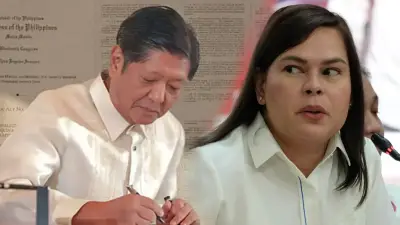
When Robredo contested the presidency in 2022 against Marcos, the political climate had shifted decisively to the right, a trend that began when Rodrigo Duterte succeeded Benigno "Noynoy" Aquino III in 2016. The alliance between Marcos and Sara Duterte, representing consolidated right-wing forces, proved formidable enough to secure victory for their Uniteam coalition.
However, significant transformations have occurred since that election. The once-unified Uniteam has dissolved, with Vice President Sara Duterte frequently criticizing President Ferdinand "Bongbong" Marcos Jr. at various opportunities. Meanwhile, former President Rodrigo Duterte faces incarceration in The Hague and is confronting charges at the International Criminal Court for alleged crimes against humanity.

Weakened Political Alliances Create New Opportunities
Without Rodrigo Duterte's direct leadership to mobilize his supporters against Marcos, the Diehard Duterte Supporters movement has diminished in influence. Although Sara Duterte currently appears as the frontrunner for the 2028 presidency, she would require support from Marcos loyalists and financial resources to secure victory. This fragmentation suggests that right-wing forces may struggle to present a united front against whichever candidate emerges from the left.
Conversely, the likelihood of left-leaning forces unifying against the right has substantially increased. This shift results from both changing public sentiment, which is moving left of center, and the relative weakness of right-wing factions heading into 2028. Many citizens have recognized that supporting Duterte-aligned movements has yielded limited productive outcomes.
Historical Parallels and Growing Momentum
The former Edsa forces are gradually regaining momentum, reminiscent of their capacity to unite during the 1986 presidential campaign when Corazon Aquino challenged Ferdinand Marcos Sr. This historical precedent demonstrates their potential to consolidate effectively. The current political climate generates sufficient pressure for these groups to refine their strategies and present a coherent alternative to voters.
As speculation intensifies regarding Robredo's potential presidential bid against Sara Duterte in 2028, these evolving dynamics suggest a dramatically different electoral landscape than what existed during her previous national campaigns. The fragmentation of former alliances and shifting public attitudes create new possibilities for political realignment in the coming years.