Philippines Kicks Off ASEAN Chairmanship with High-Level Ministerial Retreat in Cebu
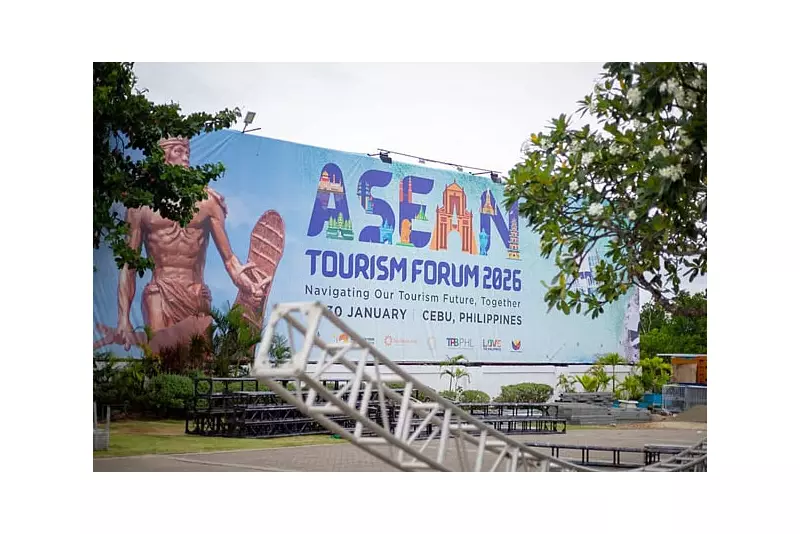
The Philippines is set to host its first major diplomatic gathering as the chair of the Association of Southeast Asian Nations (ASEAN), with the ASEAN Foreign Ministers' Retreat (AMM Retreat) taking place in Cebu City from January 28 to January 29, 2026. This event marks a significant milestone in the country's leadership role within the regional bloc, coming at a time of political tensions and economic challenges both domestically and among neighboring nations.
Foreign Affairs Secretary Maria Theresa P. Lazaro will chair the meeting, which aims to set the tone for the Philippines' chairship under the theme "Navigating Our Future Together." Despite the backdrop of regional uncertainties, officials are optimistic that the discussions will yield concrete advantages for ordinary Filipinos and small-scale investors.
From Policy Dialogue to Practical Programs
In response to inquiries about the relevance of high-level diplomacy to everyday life, Dominic Xavier Imperial, Philippine deputy assistant secretary of Foreign Affairs and spokesperson for ASEAN, emphasized that ministerial talks are designed to produce real-world outcomes. "When foreign ministers meet and agree on regional priorities, the process does not end with discussions," Imperial stated on Tuesday, January 27, 2026. "There is a structured system of tasking that follows, where senior officials' meetings and sectoral bodies are directed to implement specific actions."

He explained that this multi-layered governance framework ensures that policy agreements are transformed into actionable initiatives, which are then executed by relevant agencies across ASEAN member states. The retreat will commence with an informal consultation on the five-point consensus, followed by the main retreat session on the second day. Key topics will include:
- Reviewing the Philippines' ASEAN chairship priorities and deliverables.
- Following up on outcomes from the 47th ASEAN Summit and Related Summits held in Kuala Lumpur in October 2025.
- Exchanging views on critical regional and global developments.
Tangible Benefits for Citizens in Key Areas
Imperial highlighted several sectors where ASEAN cooperation directly impacts Filipinos and other Southeast Asians, turning diplomatic agreements into accessible programs.
Climate Change: Ministerial accords on environmental issues lead to tasking for agencies, resulting in initiatives focused on climate resilience, disaster preparedness, and mitigation. These efforts are often bolstered by ASEAN funding or support from dialogue partners, providing communities with resources to combat environmental threats.
Education: Regional initiatives that promote youth innovation and skills development have materialized into scholarships, student exchanges, and capacity-building programs. "These are tangible opportunities that ordinary people can access," Imperial noted, pointing out that such benefits extend to students across the ASEAN region, not just Filipinos.
Food Security: Discussions at the ASEAN level have spurred region-wide programs aimed at enhancing agricultural productivity, strengthening supply chains, and improving food access. These are implemented through national agencies and cooperative frameworks, helping to stabilize food supplies and support local farmers.
Imperial stressed that while diplomatic meetings might seem abstract, their outcomes are deeply integrated into development programs that bolster livelihoods, education, and economic stability throughout Southeast Asia. As the Philippines steers this pivotal gathering, the focus remains on translating high-stakes talks into meaningful progress for its people and the broader ASEAN community.