DFA-Mindanao Firmly Denies Reports of Secession Movement at United Nations
The Department of Foreign Affairs (DFA) office in Mindanao has issued a strong denial regarding circulating reports that suggest the island region is actively seeking separation from the Philippines. Officials have clarified that no such secession process is being processed or considered at the United Nations, dismissing the claims as unfounded and lacking verification.
Official Statement from DFA-Mindanao Assistant Secretary
During a business forum held at Hukad, Abreeza Mall in Davao City on Friday, January 30, 2026, DFA-Mindanao Assistant Secretary Maria Agnes Cervantes expressed surprise at the reports published by a national media outlet and widely circulated on digital platforms. She emphasized that the agency was taken aback by suggestions that Mindanao's separation had been confirmed by the DFA itself.
Cervantes stated, "We were surprised why it came out. We are trying to verify, so far, as of now, there has been no feedback. There is no actual information." She added that even the Philippine government would not permit such a move, highlighting the constitutional and legal barriers that make secession highly improbable.

The former ambassador further questioned the rationale behind separation, asking, "Why should we separate from the Philippines?" She stressed that any attempt at secession would require an extensive and complex legal process, making the reported claims appear unrealistic and without foundation.
Background of Consultative Meetings and Resolutions
Earlier this year, a resolution adopted during a series of Mindanao-wide consultative meetings in Cagayan de Oro City indicated that proposals concerning Mindanao's political status could potentially be submitted to the United Nations Committee on Decolonization for deliberation. According to a source from the Daily Tribune, identified as a United Nations official based in New York, these consultations form part of the requirements should the UN consider deliberating on the belligerency status of Mindanao.
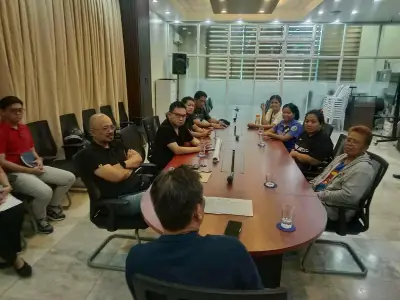
During a consultative meeting at the Limketkai Luxe Hotel in Cagayan de Oro City, participants passed a resolution calling for a peaceful struggle to liberate Mindanao from what organizers described as "Manila imperialism." The resolution aimed to elevate Mindanao's status to an independent federal state under existing international laws. This resolution emerged from the ongoing Mindanao State of the Nation Conference, attended by leaders from provinces in Northern Mindanao.
Another resolution, adopted at the Mindanao People's Consultative Conference on December 27, 2025, similarly called for a united alliance among Mindanaoans to address long-standing political and economic marginalization. Organizers mentioned that this resolution would be submitted to a planned People's Congress, potentially held in Cagayan de Oro City or Tagum City, Davao del Norte.
Emphasis on Peaceful Means and Government Response
Consultations across Western, Central, and Northern Mindanao have consistently emphasized that any political change should be pursued through peaceful means rather than armed struggle. This approach aligns with broader calls for dialogue and non-violent resolution of regional issues.
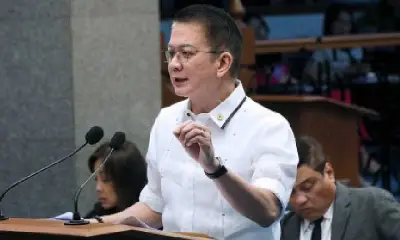
Calls for Mindanao's secession resurfaced following a viral video released by a sitting lawmaker, echoing sentiments previously raised by former president Rodrigo Duterte. In early 2024, Duterte hinted at Mindanao's independence amid political disputes with President Ferdinand Marcos Jr., a proposal that was swiftly rejected by the administration as unconstitutional and a threat to national sovereignty.
President Marcos has repeatedly opposed any move to separate Mindanao from the Philippines, asserting that secession violates the 1987 Constitution and lacks legal basis under Philippine law. National security officials have echoed this stance, warning that the government will employ its full "authority and forces" against any attempts to divide the nation. They underscored that while freedom of expression is protected, actions threatening territorial integrity and national security will not be tolerated.

The DFA-Mindanao's denial serves to clarify the current situation, reinforcing the government's commitment to national unity and the rule of law amidst ongoing discussions about regional autonomy and political status.