The Department of Foreign Affairs (DFA) of the Philippines has issued a clear statement regarding the appointment of a new maritime affairs spokesperson, emphasizing that this move is entirely separate from the escalating verbal exchanges between Chinese diplomats and Philippine officials. DFA spokesperson Angelica Escalona explained that the creation of this specialized position is designed to highlight how the DFA actively promotes the nation's interests in the maritime domain.
Focus on Technical Expertise and Strategic Communication
Escalona further detailed that the role of the maritime affairs spokesperson is highly technical in nature, making it more effective to have a dedicated representative. This approach ensures that communications are precise and focused on the complex issues surrounding maritime affairs, rather than being entangled in broader diplomatic disputes.
Villanueva's Commitment to Steady and Quiet Diplomacy
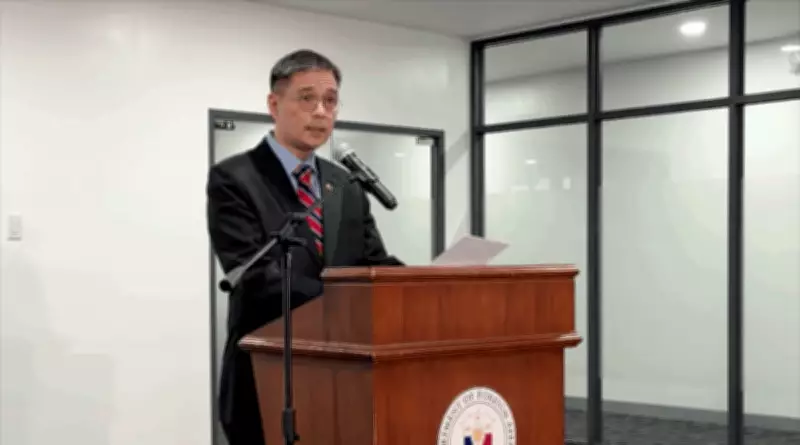
In his inaugural statement, the newly appointed spokesperson, Rogelio Villanueva, outlined his commitment to executing the DFA's mandate with diligence, stability, and minimal fanfare. He stressed the importance of a measured and professional approach in handling maritime issues, aiming to avoid unnecessary noise while steadfastly defending Philippine sovereignty.

Background of Recent Diplomatic Tensions
This clarification comes against the backdrop of recent heated exchanges between officials from the Chinese Embassy and the Philippines concerning the West Philippine Sea. These tensions have included statements from the Chinese Ministry of Foreign Affairs targeting Commodore Jay Tarriela of the Philippine Coast Guard (PCG), as well as objections from the Chinese Embassy to the Arbitral Award that favored the Philippines and invalidated China's extensive claims in the disputed waters.
Senate Condemnation of Chinese Embassy Statements
Adding to the diplomatic friction, the Philippine Senate approved Resolution No. 256 on Monday, February 9, which condemns the statements made by the Chinese Embassy in Manila. The resolution criticizes the embassy for attacking Philippine officials and institutions due to their firm stance in defending the country's sovereignty and maritime rights. This legislative action underscores the growing domestic support for a robust response to external pressures.
The DFA's move to appoint a dedicated maritime affairs spokesperson is seen as a strategic step to enhance communication and focus on technical aspects, rather than a reaction to the ongoing diplomatic word war. This development highlights the Philippines' commitment to asserting its maritime interests through structured and professional channels, even amid heightened regional tensions.