Duterte's Legal Team Investigates Trillanes' Alleged ICC Coordination
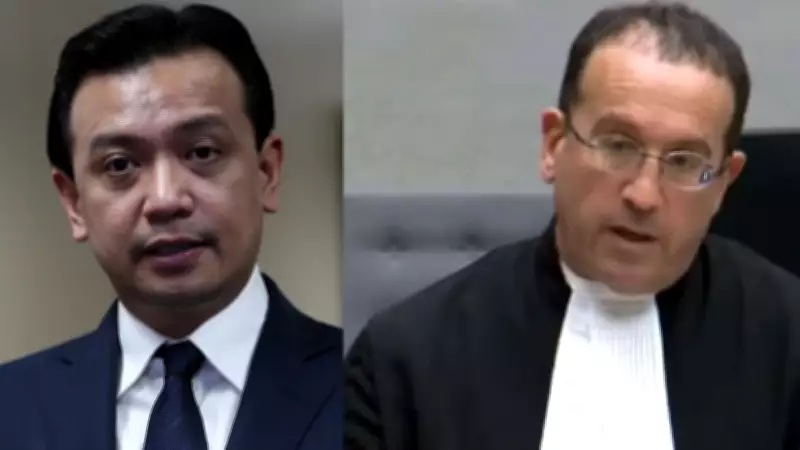
Atty. Nicholas Kaufman, the lead counsel for former President Rodrigo Duterte, is actively considering a formal request for documents that could shed light on the alleged participation of former Senator Antonio Trillanes IV in the ongoing International Criminal Court (ICC) case. This strategic move could potentially be brought before the Pre-Trial Chamber I or the Trial Chamber, depending on the confirmation of the case's progression.
Evidence Presented by Legal Counsel
Kaufman has publicly highlighted statements made by Trillanes and former Justice Secretary, now Ombudsman, Jesus Crispin Remulla. These statements are being presented as compelling evidence of Trillanes' coordination with the ICC. The alleged activities include:
- Introducing ICC personnel to key individuals involved in the case.
- Participating in discussions concerning the protection of witnesses.
- Engaging in strategic planning related to the legal proceedings.
Furthermore, Kaufman emphasized Trillanes' well-documented and intense animosity towards Duterte, suggesting this personal vendetta serves as a primary motive for his involvement in the ICC case. This claim aligns with the long-standing position of Duterte's camp, which has consistently argued that the case is driven by political motives rather than substantive legal grounds.

Historical Context and Current Considerations
It is important to note that the ICC case originated in 2017, a point frequently reiterated by lawyers representing the victims and by Malacañang officials. Kaufman is now urging a thorough examination of Trillanes' current connections with the administration of President Ferdinand Marcos Jr. This scrutiny aims to determine if there is any ongoing influence or coordination.
The legal counsel is meticulously weighing the option to formally request additional documentation from the Office of the Prosecutor. This step is seen as crucial for building a comprehensive defense and challenging the case's validity.
Defense Strategy and Legal Grounds
In a previous assertion, Kaufman firmly stated that the case against his client should not proceed. He argued that the evidence presented thus far lacks the "substantial grounds" required to advance to a full trial. This defense strategy hinges on demonstrating procedural irregularities and questioning the foundational evidence of the prosecution.
The unfolding legal battle continues to attract significant attention, highlighting the complex interplay between international law, domestic politics, and personal rivalries within the Philippine context.