Japan Ground Self-Defense Force to Make Historic Debut in PH-US Salaknib Exercises
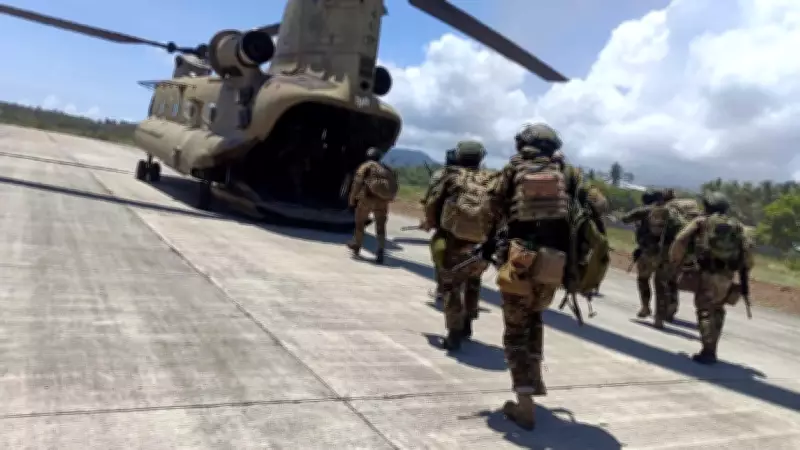
In a groundbreaking development for regional military cooperation, the Japan Ground Self-Defense Force (JGSDF) is set to participate in the upcoming Salaknib exercises alongside Philippine and American troops for the first time ever. This historic announcement was made by Philippine Army Commanding General Lt. Gen. Antonio Nafarrete, highlighting a significant milestone in trilateral defense collaboration.
Details of the Trilateral Military Exercises
The Salaknib exercises, scheduled for April, will bring together an estimated 5,000 troops from the three nations. Among these, approximately 300 soldiers will be contributed by the Japan Ground Self-Defense Force, marking their inaugural involvement in this annual training event. This participation is a direct result of the Reciprocal Access Agreement (RAA) signed between the Philippines and Japan in September of last year, which facilitates enhanced defense cooperation and joint military activities.
According to Lt. Gen. Nafarrete, the exercises will focus on strengthening joint combined arms operations, humanitarian assistance and disaster relief (HADR) capabilities, and various capacity-building programs. A significant portion of the training is expected to take place in Northern Luzon, particularly at Fort Magsaysay in Nueva Ecija, a key military training ground in the Philippines.

Structure and Schedule of the Salaknib Activities
The Philippine Army leadership has clarified that the Salaknib activities will be divided into two distinct phases. The first iteration is set for April, which will be followed by the annual Balikatan exercises, typically held in April or May. The second iteration or phase of Salaknib is then scheduled for June, ensuring a continuous and comprehensive training regimen throughout the first half of the year.
This trilateral cooperation underscores the growing strategic partnerships in the Asia-Pacific region, with Japan's involvement adding a new dimension to the longstanding military ties between the Philippines and the United States. The exercises aim to bolster interoperability and readiness among the forces, addressing shared security challenges and enhancing regional stability.