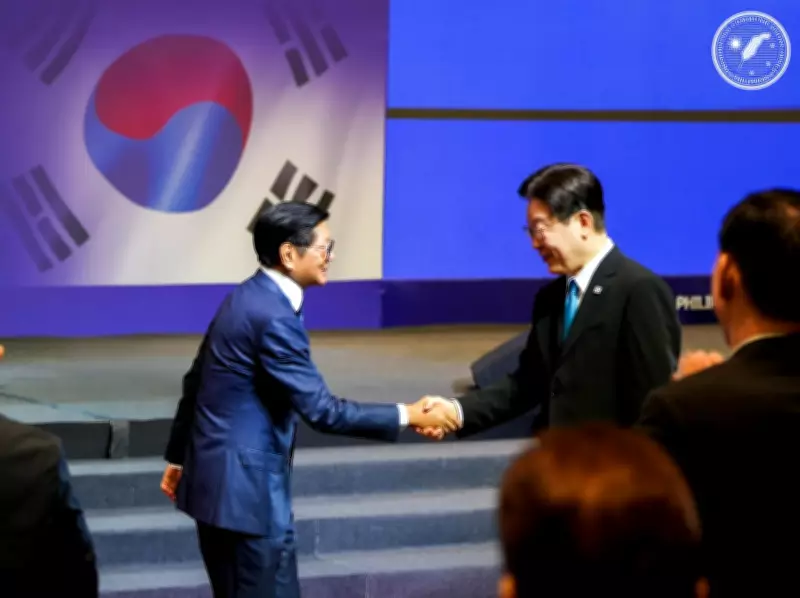
President Ferdinand Marcos Jr. has provided firm assurances to Korean business leaders that his administration will continue implementing significant economic reforms to strengthen investor confidence in the Philippines. During his address at the Philippines-Korea Business Forum, the President emphasized the government's commitment to removing bureaucratic obstacles, reducing business costs, and enhancing the nation's competitiveness in the global market.
Key Reforms and Legislative Support
President Marcos outlined several critical laws designed to support investment growth. Among these is the CREATE MORE Act, which offers incentives for large-scale projects requiring a minimum investment of 50 billion pesos or those expected to create at least 10,000 jobs. This initiative aims to attract substantial foreign capital and stimulate employment.
Streamlining Financial and Market Operations
Additionally, the President highlighted the Capital Markets Efficiency Promotion Act, which reduces the stock transaction tax from 0.6% to 0.1%, thereby making capital markets more efficient and appealing to investors. This move is part of broader efforts to modernize the financial sector and encourage market participation.

Easing Foreign Investment Regulations
To further facilitate business entry, the administration has amended the Foreign Investments Act and the Retail Trade Liberalization Act. These changes simplify regulations for foreign investors, making it easier to establish and operate businesses in the Philippines. The goal is to create a more welcoming environment for international enterprises.
Accelerating Project Approvals
Another key initiative is Executive Order No. 18, known as the Green Lanes for Strategic Investments. This order aims to expedite the approval of permits for major projects, reducing delays and fostering a more responsive administrative process. By streamlining these procedures, the government hopes to attract more high-value investments.
Strengthening Bilateral Trade Relations
President Marcos expressed optimism that the forum would lead to stronger and more meaningful trade relations between the Philippines and South Korea. He specifically mentioned potential collaborations in sectors such as shipbuilding, nuclear energy, aerospace, electronics, and biotechnology. These areas represent opportunities for mutual growth and technological exchange.
The event was also attended by Republic of Korea President Lee Jae Myung, underscoring the importance of bilateral ties. The discussions focused on enhancing economic partnerships and exploring new avenues for cooperation, with both leaders reaffirming their commitment to fostering a stable and prosperous business climate.