Marcos Stands Firm: Rejects Persona Non Grata Declaration for Chinese Embassy Officials
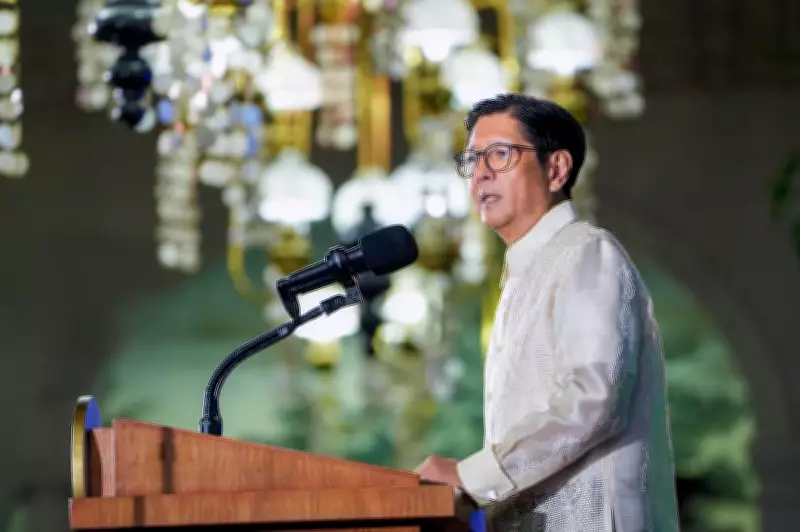
President Ferdinand “Bongbong” Marcos Jr. has issued a definitive rejection of a call to declare officials from the Chinese Embassy in Manila as persona non grata, according to a statement from Palace Press Officer Undersecretary Claire Castro on Friday, January 30, 2026.
Clear Presidential Response Amid Rising Diplomatic Tensions
In an interview with reporters, Castro emphasized the President’s unwavering position, stating, “No. No ang sagot ng Pangulo. Basta ang sagot ng Pangulo tungkol sa panawagan na ideklarang persona non grata ang isang ambassador ay ‘no.’” This translates to a firm denial of the proposal, which had been gaining traction among some senators.
Senate Proposal and Background of the Dispute
The call for action originated from Senator Erwin Tulfo, who revealed that several senators were considering filing a resolution to recommend that President Marcos declare Chinese embassy officials persona non grata. This move comes against a backdrop of heightened tensions between the Philippine Coast Guard (PCG) and representatives of the Chinese Embassy.

These tensions are deeply rooted in China’s aggressive actions in the West Philippine Sea, a longstanding maritime dispute. The situation escalated recently following public statements by PCG spokesperson Commodore Jay Tarriela, who criticized China’s maritime activities in the disputed waters.
Chinese Embassy’s Reaction and Diplomatic Fallout
The Chinese Embassy in Manila responded sharply to Tarriela’s remarks, issuing public rebukes and accusing the PCG official of making comments it deemed inappropriate and politically provocative, particularly through social media channels. This public confrontation has strained diplomatic relations, prompting concerns from various quarters.
Call for Diplomatic Sobriety and Resolution
In response to the escalating tensions, the Department of Foreign Affairs has urged both sides to adopt a more measured approach. Officials emphasized the importance of handling disputes through established diplomatic channels rather than engaging in public confrontations, which could further complicate resolution efforts.
The rejection by President Marcos underscores a cautious diplomatic stance, prioritizing dialogue and stability over immediate punitive measures, as the Philippines navigates complex international waters in the region.