Philippines Declines US Request to Deploy Warships to Hormuz Strait Amid Rising Tensions
In a significant development, the Philippines has officially declined a call from United States President Donald Trump to send warships to the Strait of Hormuz, as confirmed by Defense Secretary Gilberto Teodoro Jr. on Tuesday, March 17, 2026. This decision comes amidst escalating tensions in the Middle East, with Iran threatening severe retaliation following recent bombings by Washington on its energy hub in the Gulf region.
Defense Secretary Cites Lack of Capability and Safety Risks
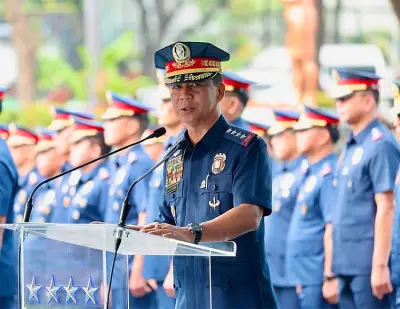
During an ambush interview in Pangasinan, Teodoro emphasized that the Philippines currently lacks the necessary capability to provide naval escorts in the volatile area. He stated, "Wala tayong capability na mag-escort" (We do not have the capability to escort), highlighting the country's limitations in military resources and operational readiness for such a high-stakes mission.
Teodoro further explained that the Philippine government is keen to avoid any actions that could exacerbate the conflict in the Middle East. He stressed the potential dangers to Filipino seafarers and Overseas Filipino Workers (OFWs), who are highly vulnerable in the region. "Ang nalalagay sa panganib yung Filipino seafarers natin at saka 'yung mga OFWs natin" (Our Filipino seafarers and OFWs are at risk), he noted, underscoring the humanitarian and economic implications of involvement.

Call for De-escalation and Diplomatic Resolution
The Defense Secretary advocated for a cautious approach, urging all parties to refrain from moves that could escalate the situation. He called for an immediate halt to indiscriminate attacks and emphasized the need for an early resolution to the crisis. "Lahat ng moves na mag-escalate ito lalo na yung mga indiscriminate na attack, dapat sana mapara agad at we look for the early resolution of the crisis in the Middle East" (All moves that escalate this, especially indiscriminate attacks, should be stopped immediately, and we look for the early resolution of the crisis in the Middle East), Teodoro added, reflecting a commitment to diplomatic solutions over military intervention.
Background: US President's Appeal and Regional Tensions
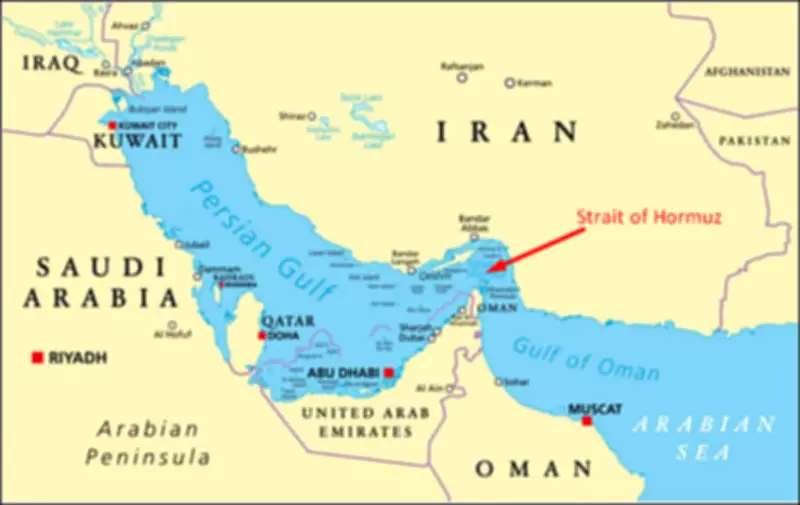
Earlier, President Trump had urged other nations to deploy warships to the Strait of Hormuz, a critical chokepoint for global oil shipments. In a social media post, he stated, "The Countries of the World that receive Oil through the Hormuz Strait must take care of that passage, and we will help — A LOT!" This appeal followed Iran's threats of intensified conflict across the Middle East in response to US bombings on its Gulf island energy hub, heightening fears of a broader regional war.
The Philippines' decision not to participate underscores its strategic prioritization of protecting its citizens abroad and maintaining neutrality in international conflicts. With millions of OFWs contributing significantly to the national economy, the government's stance aims to safeguard their welfare while navigating complex geopolitical dynamics.