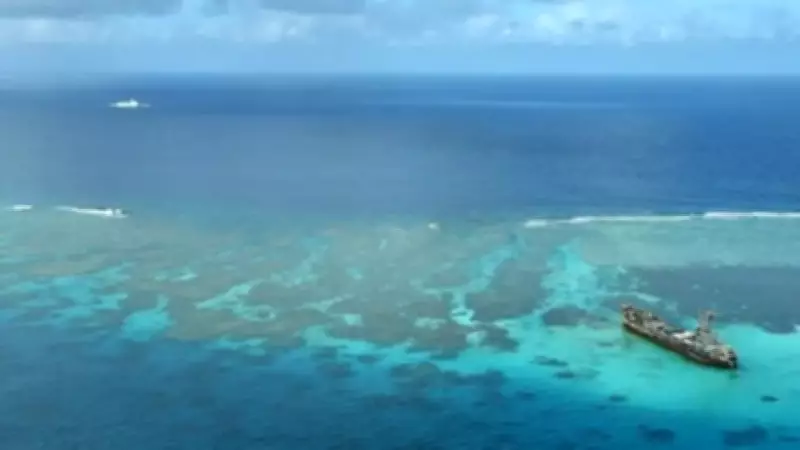
In a significant move to address escalating tensions in the West Philippine Sea (WPS), the Philippines and the United States have fortified their strategic alliance, aiming to prevent maritime conflict and counter ongoing aggression from Chinese vessels in the disputed waters. According to a statement released by the US Embassy, both nations are deeply committed to enhancing surveillance and deterrence measures across the Indo-Pacific region.
Strengthening Collective Defense and Deterrence
The US Embassy highlighted the critical importance of collective defense in resisting and preventing aggression throughout the First Island Chain, which serves as a primary maritime barrier for the US and its allies, including the Philippines. This framework is designed to curb China's naval expansion in the Pacific, ensuring that sea lanes remain open and free from obstruction by foreign powers.
Reaffirmation of the Mutual Defense Treaty
Officials from both countries have reaffirmed their unwavering commitment to the 1951 Mutual Defense Treaty, underscoring the enduring partnership between the Philippines and the United States. The embassy also condemned China's illegal, coercive, aggressive, and deceptive activities in the disputed waters, calling for adherence to international maritime laws.

Enhancing Philippine Capabilities and Modernization
To bolster the Philippines' ability to monitor and respond to maritime challenges, the alliance plans to enhance the country's surveillance and response capacities. This includes addressing illegal activities such as unauthorized fishing and improving missile and unmanned systems deployed by the US in the Philippines. Additionally, foreign military financing will be utilized to modernize the Armed Forces of the Philippines (AFP) and the Philippine Coast Guard (PCG), further strengthening collective defense and deterrence strategies.
Support for Disaster Response and EDCA Sites
Beyond military enhancements, the United States will continue to provide relief commodities to civilian disaster response authorities in the Philippines, particularly at key Enhanced Defense Cooperation Agreement (EDCA) sites and other strategic locations. This support aims to bolster resilience and preparedness in the face of natural disasters and other emergencies.
Overall, this reinforced alliance signifies a proactive approach by the Philippines and the United States to maintain stability and security in the West Philippine Sea, emphasizing diplomatic and military cooperation to deter potential conflicts and uphold regional peace.