Russian Vlogger's HIV Threat Hoax Exposed: Negative Test Results Lead to Deportation Proceedings
In a dramatic turn of events, a 21-year-old Russian social media content creator who caused widespread alarm with viral videos claiming he intended to spread human immunodeficiency virus (HIV) in the Philippines has been confirmed to be HIV-negative by health authorities. The Bureau of Immigration (BI) revealed that medical examinations, conducted in close coordination with the Department of Health (DOH), showed Nikita Chekhov tested non-reactive for HIV and negative for other related illnesses.
Authorities Dismiss Threats as 'Rage-Bait' Strategy
BI Commissioner Joel Anthony Viado stated in an official release that the agency is considering Chekhov's inflammatory threats as mere 'rage-bait'—a calculated attempt to provoke online attention rather than a genuine public-health danger. The test results strongly support this assessment, indicating the posts were designed to generate controversy and viral engagement without any basis in reality.
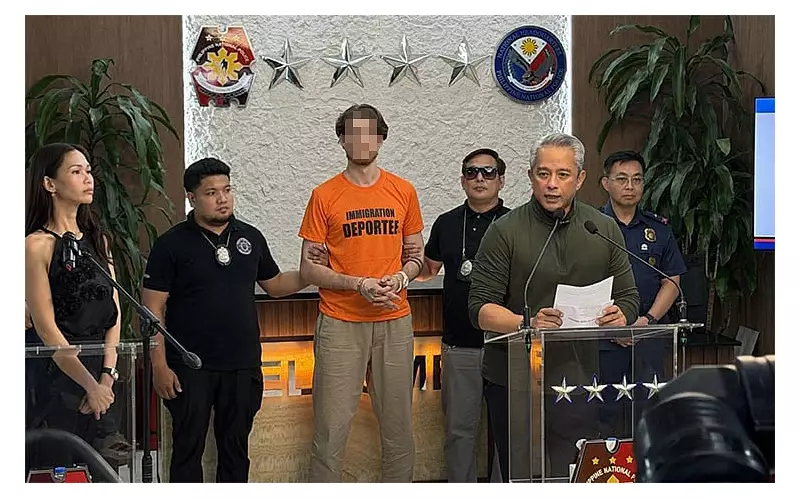
Chekhov, a vlogger who gained notoriety on platforms like TikTok after posting clips from Bonifacio Global City in Taguig, was arrested by BI operatives inside a Quezon City condominium on January 21. His arrest followed a series of videos that suggested he planned to spread HIV during his stay in the country, sparking outrage and concern among Filipino netizens and authorities alike.

Chekhov's Explanation: A Misguided Attempt at Viral Fame
The foreign national, who arrived in the Philippines from Shanghai, China on January 15 under tourist status, later explained that his controversial content was solely intended to go viral and did not reflect any actual malicious intent. In a detailed account, Chekhov described his social media strategy as a reaction to hostile online comments he received from some Filipino users.
'I analyzed it and saw that some Filipinos think of foreigners in a very stereotypical way,' Chekhov remarked. 'I was getting many comments like 'stop spreading your viruses, foreigner,' 'passport bro,' 'lbh,' 'HIV alert,' just for being me. I was just doing some dances, silent TikToks, and still getting that hate.'
He further elaborated that, as a content creator, he devised the 'spread HIV' narrative as a way to attract attention by exaggerating the very stereotypes being directed at him. 'I literally said out loud what Filipinos were saying to me. I was expecting it to become a meme,' he added, clarifying that he does not have HIV and never intended to spread it. Chekhov expressed that he now has a better understanding of Filipino cultural norms and societal expectations.
Legal Consequences and Deportation Process Underway
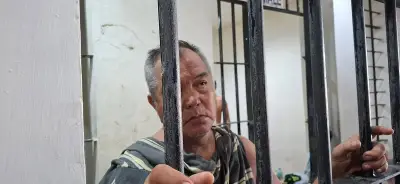
BI spokesperson Dana Sandoval announced that the agency is treating Chekhov as an undesirable alien, and he is currently being prepared for deportation. Following his arrest, he has been detained at the bureau's facility in Camp Bagong Diwa, Taguig, pending the completion of legal procedures.
This incident has drawn comparisons to recent cases involving foreign content creators whose online behavior has ignited public fury in the Philippines. Philippine authorities have consistently emphasized that visitors who engage in content that disrespects local communities or jeopardizes public safety will face strict legal action under Philippine law.
The case underscores the growing challenges posed by social media sensationalism and the serious repercussions for foreigners who violate national laws and cultural sensitivities. As Chekhov awaits deportation, the BI reaffirms its commitment to upholding public order and protecting the integrity of the country's immigration policies.