Warring Families in Sulu Sign Historic Peace Pact After Military and Local Government Intervention
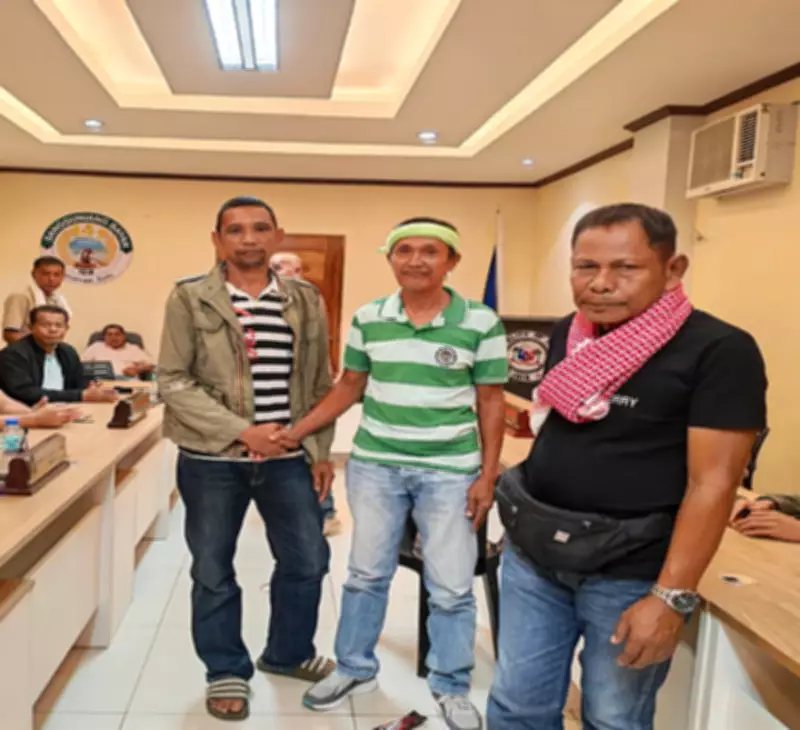
In a significant development for peace and order in the province of Sulu, two warring families in the town of Panamao have officially signed a peace pact, bringing an end to their long-standing disputes. This landmark agreement was achieved through the coordinated efforts of the municipal government and the 21st Infantry Battalion (21IB), as confirmed by military statements released on Saturday, January 31.
Ceremony Marks Formal End to Violent Conflict
The peace pact was formally signed during a ceremony held on Thursday, January 29, at the Panamao town hall. The signatories included the family of Abdurajik Lahaba from Puhagan village, representing the First Party, and the families of Kaidar Hamjaji, Muksidar Uraid, Badjo Asgari, and Aldamir Hamsiaraji as the Second Party. All parties involved are residents of Datag, Panamao, highlighting the localized nature of this conflict.
Roots of the Dispute and Escalation to Violence
According to the 11th Infantry Division (11ID), the dispute originated from a minor altercation that unfortunately escalated into gunfire, underscoring how small conflicts can quickly turn dangerous in volatile situations. In a positive step towards reconciliation, an M-16 rifle used in the incident was voluntarily surrendered to authorities. This action aligns with the strict implementation of the Panamao municipal government's Gun-Free Zone and Peace-Centered Community policy, demonstrating a commitment to disarmament and non-violence.

Ongoing Efforts to Maintain Peace and Security in Sulu
The 21st Infantry Battalion, in collaboration with other security forces and the local government, continues to intensify measures aimed at maintaining peace, order, and security throughout the province of Sulu. This peace pact serves as a testament to their proactive approach in mediating conflicts and fostering community harmony. Authorities have also encouraged the public to cooperate fully with security forces and to immediately report any threats to peace and security, emphasizing the collective responsibility in sustaining a safe environment.
This successful resolution not only ends the immediate violence but also sets a precedent for conflict resolution in the region, potentially inspiring other communities to pursue peaceful dialogues over armed confrontations.