U.S. Embassy Honors Filipino War Veterans with Congressional Gold Medals in Historic Tagum City Ceremony
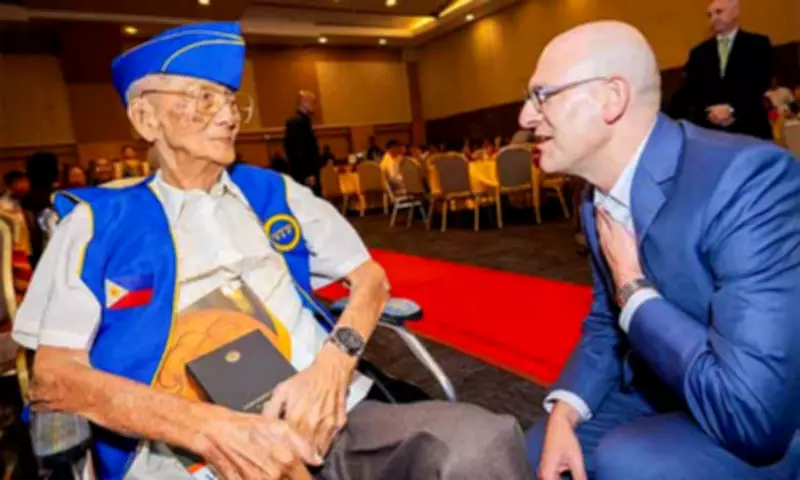
As the United States and the Philippines mark 80 years of diplomatic relations, a significant milestone was celebrated with the awarding of Congressional Gold Medals to Filipino war veterans. U.S. Embassy Chargé d’Affaires Robert Ewing led the ceremony in Tagum City, making it the first such event in the city and only the second in Mindanao, highlighting the enduring bond between the two nations.
Ceremony Recognizes Valor and Sacrifice
In Tagum City, Ewing was joined by key Philippine officials, including Defense Undersecretary Pablo Lorenzo, Philippine Veterans Affairs Office Administrator Reynaldo Mapagu, and Davao del Norte Governor Edwin Jubahib. They presided over the 45th presentation of the Filipino Veterans of World War II Congressional Gold Medal, the highest civilian honor bestowed by the U.S. Congress. This award, established under the Filipino Veterans of World War II Congressional Gold Medal Act of 2015, pays tribute to the bravery and sacrifices of Filipino veterans who fought alongside U.S. forces during World War II, playing a crucial role in turning the tide in the Pacific theater.
Ewing emphasized the historical significance, noting that the first Congressional Gold Medal was awarded to George Washington in 1776, drawing a parallel to the deep interwoven history as the U.S. celebrates its 250th anniversary in 2026. He stated, "When their nation called, they stepped forward. They answered. And in doing so, they not only shaped the course of history but also forged the enduring friendship between the Philippines and the United States – a relationship built on shared sacrifice, mutual trust, and deeply held values."

Undersecretary Mapagu added, "The number of living Filipino World War II veterans continues to decline with each passing day, but through commemoration activities and recognition such as the awarding of the U.S. Congressional Gold Medal for Filipino World War II veterans, their heroic legacy will live on."
Strengthening Economic and People-to-People Ties in Davao
Following the ceremony, Ewing traveled to Davao City to deepen economic and cultural connections. He toured the National Museum of the Philippines-Davao in the People’s Park, accompanied by Davao City Councilors Rachel Zozobrado and Ragde Niño Ibuyan, Davao City Investment Promotion Center Officer in Charge April Marie Dayap, and alumni of U.S. government exchange programs. This visit aimed to foster a greater understanding of Davao’s rich heritage and natural resources while exploring partnership opportunities to enhance U.S.-Philippines prosperity.
Davao City officials expressed keen interest in expanding trade and investment, revitalizing sister city relationships, and promoting education and exchange programs. Ewing also took a group photo in front of Davao City Hall, which is celebrating its 100th anniversary. Notably, both the City Hall and the U.S. Embassy in Manila were designed by renowned Filipino architect Juan M. Arellano, symbolizing the architectural and cultural ties between the two nations.
Promoting Trade, Energy, and Education Partnerships
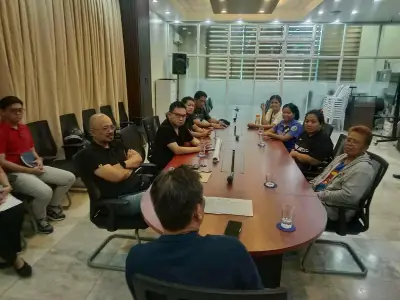
At a General Membership Meeting of the Mindanao chapter of the American Chamber of Commerce, Ewing discussed efforts to enhance supply chain resilience and expand energy cooperation. He underscored opportunities for two-way trade and investment, including the upcoming SelectUSA Investment Summit, a priority initiative to promote investment into the United States.
Education partnerships were also a focal point. Ewing visited Filipino participants in the U.S. Embassy’s English Access Scholarship Program, a two-year, intensive after-school initiative that improves academic and employment prospects for public school students aged 13 to 15 through English language instruction. Davao City Schools Division Superintendent Dr. Reynante Solitario remarked, "Chargé d’Affaires Ewing’s visit to the 50 English Access Scholarship Program students highlights the strong commitment to youth development and educational partnership. His presence affirms the scholars’ potential and inspires them to strive for excellence, leaving a lasting impact."

In closing, Ewing reinforced the strength of the alliance, stating, "The United States and the Philippines share more than an ironclad Alliance. We share a deep and enduring friendship and a commitment to partnerships that deliver concrete benefits for the American people while strengthening the bonds between our two nations." This visit underscores the multifaceted cooperation between the U.S. and the Philippines, from honoring historical sacrifices to building future prosperity.