White House Launches Investigation into Minnesota Anti-ICE Church Protest
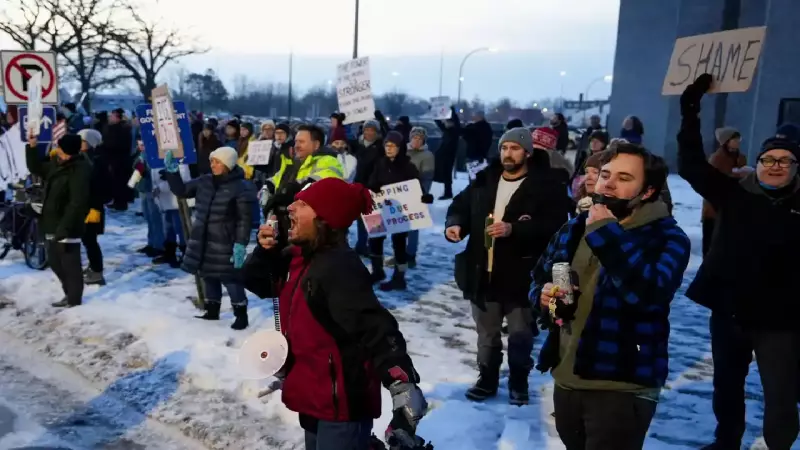
The White House has announced it will conduct an investigation into the persistent wave of protests targeting Immigration and Customs Enforcement (ICE) operations in Minnesota. This move comes in response to escalating demonstrations that recently culminated in a disruptive incident at a church service, highlighting the deepening tensions over immigration enforcement policies in the region.
Church Service Disrupted by Protesters in St. Paul
Attorney General Pam Bondi revealed that the protests have reached a new level of intensity, with even religious gatherings not spared from the activists' actions. According to reports, a group of anti-ICE protesters entered the Cities Church in St. Paul, where they staged a demonstration that forced the cancellation of a scheduled mass. Bondi emphasized that this intrusion into a place of worship underscores the protesters' determination to voice their grievances, regardless of the setting.
Arrests and Escalating Tensions in Minnesota
The situation in Minnesota has been marked by ongoing confrontations, with several protesters already arrested in the area for clashing with police officers. These arrests reflect the volatile atmosphere surrounding the protests, which have drawn national attention due to their scale and the methods employed by participants. The disruption at the church adds a new dimension to the conflict, raising questions about the boundaries of protest and civil disobedience.

Root Cause: Death of Renee Goods at ICE Checkpoint
The protests were ignited by the tragic death of Renee Goods, a woman who was killed at an ICE checkpoint. This incident has fueled widespread outrage and mobilized activists to demand accountability and reforms in immigration enforcement practices. Goods' death has become a rallying cry for the anti-ICE movement, with protesters using it to highlight what they perceive as systemic issues within ICE operations.
Implications of the White House Investigation
The White House's decision to investigate these protests signals a heightened focus on the situation in Minnesota. By examining the events, including the church disruption and the underlying causes, authorities aim to address the grievances while ensuring public order. This probe could lead to policy discussions or legal actions, depending on its findings, as the nation grapples with the complex interplay between immigration enforcement and protest rights.