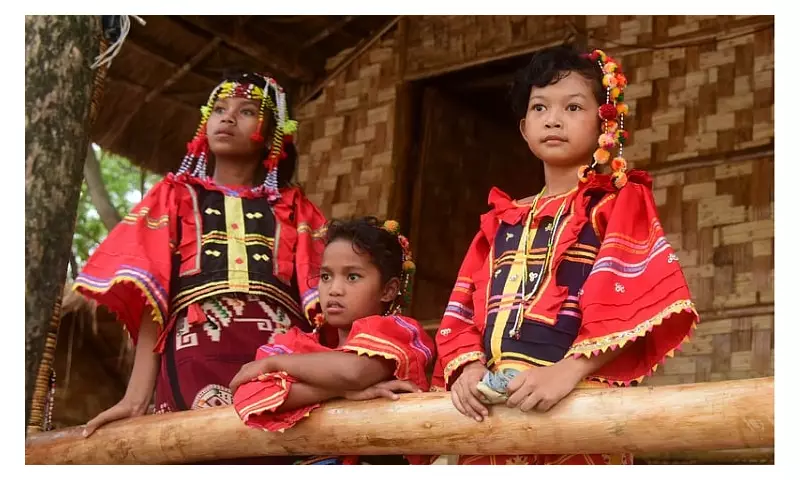
The National Commission on Indigenous Peoples in Davao Region has announced a groundbreaking initiative: the establishment of the country's first-ever Indigenous Peoples Teen Center in Davao City.
A Holistic Approach to Indigenous Youth Development
According to Estelito L. Ocampo, IP Youth Focal Person of NCIP-Davao, the center represents a collaborative effort between multiple government agencies. The Department of Health and the Commission on Population and Development mandated the construction of teen centers as part of the Seal of Good Local Governance requirements.
The innovative facility, located in Barangay Malabog within Paquibato District, aims to support indigenous youth through a comprehensive development approach. Unlike conventional teen centers, this pioneering project specifically addresses the unique needs of indigenous adolescents while preserving their cultural heritage.

Addressing Critical Youth Issues in Ancestral Domains
Ocampo emphasized the urgent need for such facilities, pointing to concerning statistics in the region. HIV cases continue to rise significantly among young people, while incidents of suicide, rape, and teenage pregnancy within ancestral domains have shown alarming increases.
During the Kapehan sa Dabaw forum on November 10, 2025, Ocampo stated in Cebuano: "This can serve as a center for the overall development not only of IP youth but also of the entire indigenous cultural communities."
The center's distinctive approach combines three crucial elements: cultural preservation, community-based economic development, and adolescent sexual health education. This integrated strategy recognizes that IP youth face multiple challenges, including limited access to education and healthcare, discrimination, and the gradual erosion of traditional values.
Partnerships and Cultural Integration
A key partnership with the Technical Education and Skills Development Authority will provide livelihood and technical training programs. This economic empowerment component aims to equip indigenous youth with practical skills that can benefit both their families and communities.
What sets the IP Teen Center apart is its culturally responsive methodology. By incorporating indigenous traditions, values, and languages into its activities, the center creates an environment where young people feel comfortable discussing sensitive issues like reproductive health and mental wellness.
Ocampo noted that when IP members themselves manage the center, youth are more likely to share personal experiences and challenges openly. This community-led approach ensures cultural relevance while addressing modern health concerns.
The Malabog facility currently requires renovations, and NCIP-Davao welcomes partnerships with private organizations and government agencies to enhance its functionality. The center is scheduled for completion by January 2026 and is expected to serve approximately 2,000 visitors once operational.
As this pilot project takes shape in Davao Region, NCIP hopes other provinces will establish similar IP-centered facilities, fostering a generation of indigenous youth who are healthy, empowered, and proud of their cultural heritage.