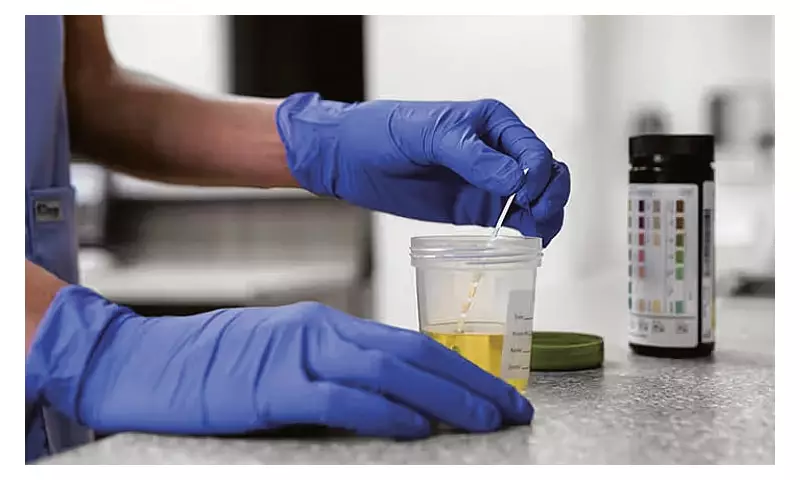
The Philippine Drug Enforcement Agency in Davao Region (PDEA-Davao) has clarified that schools can only conduct random drug testing on students if they strictly follow national policy requirements, including securing a formal Memorandum of Agreement with PDEA and obtaining written consent from parents or guardians.
Legal Framework for Student Protection
Regional Director Edgar T. Jubay made this announcement during a radio interview earlier this week as the agency intensifies its anti-drug initiatives across the Davao Region. Jubay emphasized that young people remain particularly vulnerable to peer influence and risky environments, making preventive measures crucial.
Random drug testing in educational institutions is authorized under Republic Act 9165, which permits confidential and non-punitive testing for students in secondary and tertiary schools as part of the country's comprehensive drug-prevention strategy. The law explicitly states that test results cannot be used to suspend, expel, or otherwise penalize students.

Instead, students who test positive must be provided with counseling, intervention, and rehabilitative support. The Department of Education has issued national guidelines for random drug testing in secondary schools to ensure proper implementation, including parent notification, strict procedural protocols, and complete confidentiality of results.
Education and Prevention Initiatives
As part of PDEA's ongoing demand reduction program, agency personnel have been actively visiting campuses to conduct various educational activities. These include room-to-room lectures, school forums, and anti-drug symposiums designed to educate students about the dangers of substance use and equip them with awareness to resist peer pressure and avoid harmful behavior.
Jubay added that PDEA continues to collaborate with teachers, school administrators, barangay anti-drug councils, and local government units to strengthen early intervention strategies. Orientation sessions for school personnel are also being conducted to help identify behavioral red flags that might indicate drug involvement among students.
Community Vigilance and Support Systems
Authorities have reiterated their call for parents, educators, youth groups, and community leaders to remain vigilant. They emphasize that constant guidance and open communication play crucial roles in protecting children and adolescents from drug-related risks.
Jubay stressed that youth remain highly exposed to influences within their surroundings, highlighting the need for active community monitoring. All drug testing must be conducted through DOH-accredited laboratories, the only facilities authorized to perform such tests under Philippine law.
The government covers the cost of mandated tests under RA 9165, ensuring accessibility for all students. These safeguards reinforce that school-based drug testing is intended as a child protection and public health measure rather than a punitive one.
As PDEA-Davao expands its education and prevention efforts, national policies continue to emphasize collaboration among schools, families, and communities in maintaining safe and drug-free learning environments throughout the region.