Lapu-Lapu Court Grants Delay in Davao Occidental Ghost Flood Control Project Pre-Trial
The Lapu-Lapu City Regional Trial Court, Branch 27, has issued a ruling to postpone the pre-trial proceedings for controversial contractor Sarah Discaya and nine other accused individuals in the alleged P96.5-million ghost flood control project in Davao Occidental. This decision was made to facilitate the pre-marking of nearly 4,000 pages of evidence, a crucial step in the legal process.
Court Proceedings and Defense Arguments
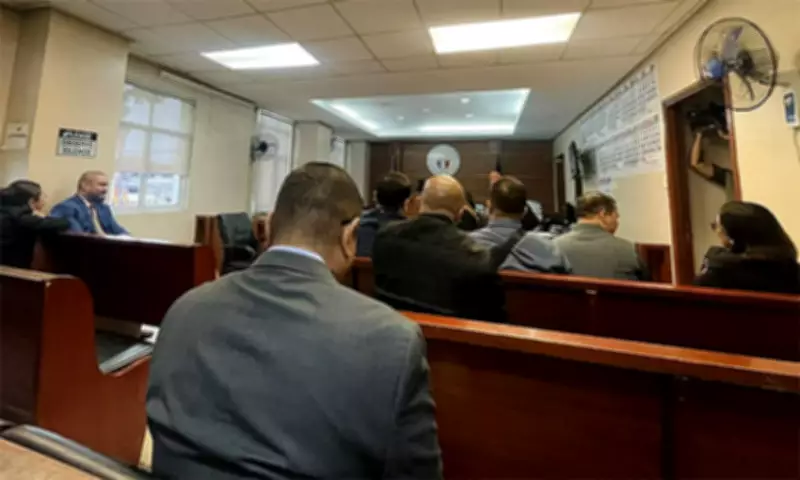
On Tuesday, February 3, 2026, the court granted the delay, which was the original date set for the pre-trial. All of the accused participated in the hearing via video conferencing, ensuring their presence despite logistical challenges. Defense lawyer Joseph Torregosa raised objections, arguing that the proceedings were premature and that attorneys needed to first consult with their clients regarding the extensive documentation involved.
Torregosa represents accused Rodrigo Larete, who serves as the officer-in-charge of the Department of Public Works and Highways Davao Occidental District Engineering Office. The court has now rescheduled the pre-trial for February 27, 2026, following the completion of pre-marking for over 100 documents, as well as the submission of stipulations and joint manifestations by both parties.

Agreement on Evidence Pre-Marking and Previous Motions
The prosecution and defense have mutually agreed to allocate five days for the pre-marking of evidence, commencing on the afternoon of February 3 and extending through the second week of February. This collaborative effort aims to streamline the trial process and ensure all evidence is properly cataloged.
Earlier in the case, the defense had filed motions to quash the information and to conduct an ocular inspection, but these were denied by the court. Additionally, petitions for bail remain pending before the court, adding another layer of complexity to this high-profile legal matter.
This case highlights ongoing issues in public infrastructure projects and the judicial system's handling of alleged corruption, with significant implications for accountability and transparency in government contracts.