ICC's Persistent Evidence Collection on Duterte Case Elicits Divergent Legal Opinions
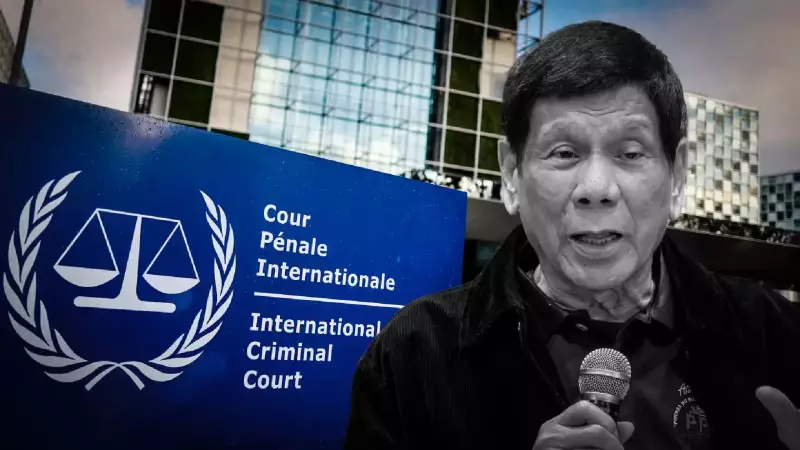
The ongoing efforts by the International Criminal Court (ICC) to gather additional witnesses and evidence related to the complaint against former President Rodrigo Roa Duterte have generated varied reactions from legal luminaries in the Philippines. This development highlights the complexities and international scrutiny surrounding the case.
Concerns Raised Over Investigative Process
Legal expert Atty. Vincent Orly Montalban has expressed alarm over the ICC's continuous search for more evidence, describing it as a concerning step. He emphasized that while this action does not directly violate the ICC's rules and procedures, it is noteworthy because the case remains in the pre-trial chamber phase. Montalban questioned the need for further appeals and witness collection, suggesting that it indicates potential weaknesses in the evidence initially presented to the court.
Defense of ICC's Standard Procedures
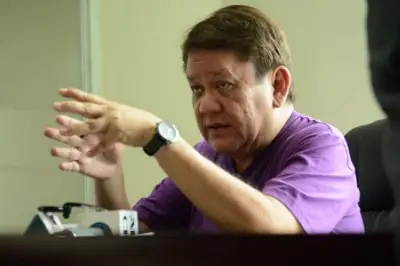
In contrast, Atty. Luke Espirito, President of the Bukluran ng Manggagawang Pilipino, defended the ICC's actions as normal and routine. He explained that it is standard practice for the ICC to seek additional witnesses, especially in cases involving other countries where investigative offices actively solicit information from the public. Espirito added that in such international contexts, evidence gathering is taken seriously through expanded sources, with careful efforts to distinguish credible and relevant information from false or insignificant data.

Broader Implications for Philippine Legal Landscape
This divergence in legal perspectives underscores the broader implications for the Philippines' engagement with international judicial bodies. The ICC's investigation into Duterte's war on drugs continues to be a focal point of debate, reflecting tensions between national sovereignty and global accountability. As the process unfolds, it remains a critical issue for observers both domestically and internationally.