Judge Postpones Pre-Trial in High-Profile P96.5 Million Ghost Project Case
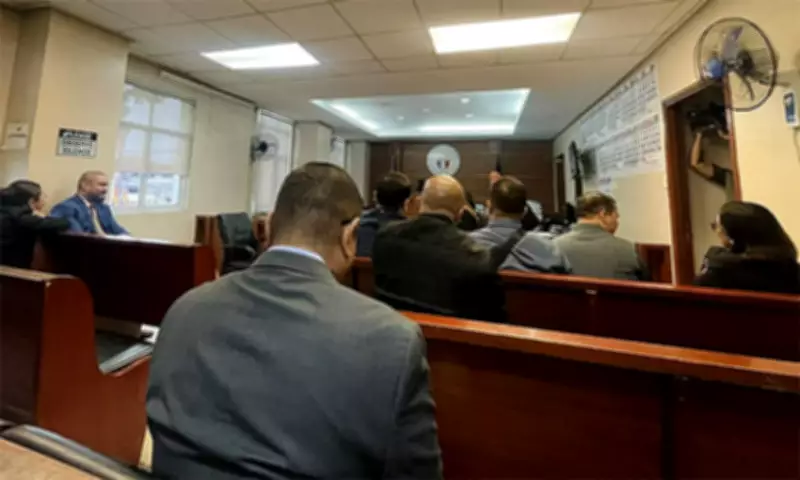
In a significant development, Judge Nelson Leyco of the Regional Trial Court (RTC) Branch 27 in Lapu-Lapu City has rescheduled the pre-trial proceedings for a major graft and malversation case. The hearing, involving contractor Sarah Discaya and nine other co-accused individuals, has been moved to February 27, 2026. This decision comes as the defense team requested additional time to thoroughly review an extensive collection of evidence.
Defense Seeks More Time for Document Review
The postponement was granted to allow the defense adequate opportunity for the pre-marking of over 4,000 pages of documents, which reportedly fill three suitcases. According to court sources, the defense argued that this voluminous evidence requires careful examination before the formal trial can proceed. This step is crucial to ensure a fair and comprehensive legal process, as the documents are central to the allegations against the accused.
Currently, all defendants are detained at the Bureau of Jail Management and Penology (BJMP) facility in Lapu-Lapu City. Due to their incarceration, they are participating in court hearings via video conference, a common practice in high-security cases to maintain judicial efficiency and security protocols.

Charges Involve Alleged Ghost Flood Control Project
The case stems from serious accusations under Republic Act 3019, the Anti-Graft and Corrupt Practices Act, and charges of Malversation of Public Funds. Prosecutors allege that the defendants were involved in a ghost or non-existent flood control project in Davao Occidental, with a total cost estimated at P96.5 million. Such projects, where funds are disbursed for work that never materializes, represent a significant breach of public trust and have drawn widespread condemnation from anti-corruption advocates.
Court Denies Defense Motions
In recent rulings, the court has shown little leniency toward the defense's requests. Judge Leyco dismissed a motion to dismiss the case outright, indicating that the evidence presented so far warrants a full trial. Additionally, the court denied a petition for an ocular inspection or site visit to the alleged project location in Davao. This decision underscores the court's focus on the documentary evidence and legal arguments rather than on-site assessments at this stage.
Looking ahead, the court has outlined that bail petitions will be addressed concurrently after the pre-trial phase concludes. This approach aims to streamline proceedings while ensuring that all procedural aspects, including the defendants' right to seek bail, are handled in a timely manner once the foundational issues are settled.
The case has garnered attention due to its substantial financial implications and the serious nature of the charges, highlighting ongoing efforts to combat corruption in public infrastructure projects across the Philippines.