The Supreme Court's decision to reverse the removal of former Deputy Ombudsman Arthur Carandang is not merely a simple legal correction—it is a formal affirmation that justice can prevail, even if delayed. It reminds the public that presidential power has limits, and no one is above the Constitution.
A Clear Message on Presidential Authority
In this ruling, it is clearly shown that the Office of the President has no authority to impose administrative penalties against high-ranking officials of the Office of the Ombudsman, which is an independent constitutional body. Protecting the independence of this institution is not just a technical legal issue but a foundation of checks and balances that guards against abuse of power.
Background of the Case
Carandang's case stemmed from serious allegations against the Duterte family, filed by former Senator Antonio Trillanes IV. Due to Ombudsman Conchita Carpio-Morales's inhibition, Carandang assumed responsibility for continuing the investigation. However, instead of protecting the process, he was judged and removed—a step now recognized by the Supreme Court as wrong from the start.

Broader Implications for Democracy
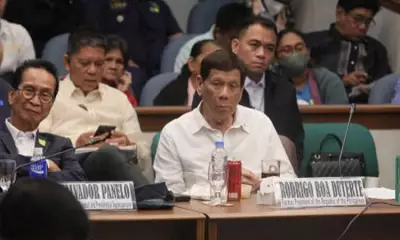
This incident reveals a wider pattern of power use during former President Rodrigo Duterte's administration. Using influence to silence critics or hinder investigations threatens the integrity of legal and educational institutions. When fear and propaganda replace truth and critical thinking, democracy itself is damaged.
The Role of Education
This is where education plays a role. An educated populace is not easily deceived or led by false narratives. The issue of the 'ignorant masses' should not be understood as an insult but as a warning about the danger of lacking proper information and critical analysis. If voters are uninformed or careless in their choices, abusive leaders can return to power.